
here it is, folks. the inevitable, predictable, and (what I’m hoping is) highly anticipated blog post reflecting on the entirety of my semester in paris. after four months of wining and dining accompanied by the finest companions and cheese the world has to offer, I can only hope that I’ve learned a little bit of something close to wisdom during my first journey abroad.
four months ago, as I boarded what was about to be the longest 10 hours of my life trapped in a metal tin can catapulted through the sky across the atlantic ocean, I had some intensely ambivalent feelings about coming to paris. as I left my family, friends, classmates, coworkers, roles, and responsibilities back home, I couldn’t help but feel a nagging sensation at the pit of my stomach. I wrote about this feeling some time ago, identifying it as a sort of homesickness i got from being detached from the communities that had grown to play such a fundamental part of my life. and while I do still think this is partially the case, I’ve come to realize that this feeling that stuck with me throughout all my museum visits between class, afternoons spent lounging in cafes, and whirlwind weekend trips hopping from country to country was actually quite a familiar one. in fact, it is one that I had grown accustomed to for much of my adult life.
the best word I can use to describe the feeling is gluttony. not a very pretty word, I know. but I think it gets the job done a little more accurately than simply “guilt” or “selfishness.” gluttonous is how I felt when I when I went on a vacation in hawaii for the first time with my best friends from school for spring break. gluttonous is how I felt when I decided to visit new york instead of going home to see my family for thanksgiving. gluttonous is how I felt when I left home for college in an entirely new state thousands of miles away from my mom and little sister. I’m being wasteful. I’m being greedy. I’m being gluttonous.

it’s a feeling that sticks with me every time I make a major life decision that involves me spending time and resources on myself, taking away from my perceived attachments to my family or spending my time more productively. as if I’m abandoning them for my own selfish desires. it’s one that I suspect a lot of other oldest siblings, first-generation students, low-income children, and immigrant daughters, women, and women of color might be able to identify with.
it’s as though, in choosing to enjoy luxuries that I know my mother and the rest of my family have never been able to experience, I am committing an affront. it’s an insult to them. if I’m being honest, there have been times where I have experienced it as an almost crippling guilt that makes it difficult to fully enjoy any new life experience. I can’t sip on mimosas, watch the waves crash along the shores of the mediterranean sea, and dig my feet into the warm sand without remembering that my mother’s feet are probably aching from another shift in heels running back and forth between the kitchen and the storefront.
and what’s tricky about this feeling of gluttony is that it feels rational. while, of course, one can rationalize the benefits of moving away from home to go to college, one can also come to the rational conclusion that these indulgences are a waste of resources. and, well, that’s because that’s what they are—really. I didn’t need that new purse or that concert ticket or to go to school all the way in california. time spent away means time spent not helping out around the house or watching the younger cousins grow up. what have I done to deserve these pretty and shiny things I have in my life? the hard work of it all was being born—and even that wasn’t me.
a certain level of self-awareness, of course, is healthy. it’s important to remember how lucky you are to be where you are. it’s when it gets to become a paralyzing self-awareness, however, that we approach a dangerous territory. it’s when you begin to punish yourself for these thoughts. in these cases, you become your own worst enemy, filling your head with thoughts of self-doubt and self-pity. you force yourself to live a life of piety and and create your own circumstances of suffering in order to justify any enjoyment of luxuries. saving money that doesn’t need to be saved. spending nights staying in and working instead of going out to the bars with friends. overworking and overextending yourself for the sake of pleasing others. these are all symptoms of this gluttony. people can tell you over and over again that you deserve a break or that you do so much. nevertheless, those words will land upon restless, deaf ears.
this self-awareness and self-punishment becomes an even more frustrating experience when you come to find that men rarely impose these same disciplines on themselves. of course, you’ll find hard-working and ambitious men who are constantly busying themselves with projects and productivity. rarely, however, will you find a man who thinks that he does not deserve all of his life’s pleasures. nor will you find men who are crippled by attachments to their home. men are socialized from a young age to feel entitled to leisure and reward. women are taught to accept these things with gratitude and humility. to receive them with the entitlement of a man would be shameless gluttony.
ironically enough, it was the recognition of this distinction that granted me a false sense of moral superiority to the men in my life. as if, because I was just as hard-working and just as ambitious as them, but I was also happened to be self-punishing, disciplined, and pious, I was somehow better than them. as women, we are taught that our time must be spent with purpose; that our time is not ours, but something that must contribute somehow to the bettering of society (whether that be by actually giving our time to others or by constantly working on self-improvement so that we can be better actors in society for the sake of others). after all, we only have so much time before our beauty fades and the one asset that once rendered us useful is no longer there to keep us relevant in the hearts of admirers. our time is constantly slipping away from us.
coming into this semester, it was hard to justify in my head what exactly I did to deserve to spend four months in one of the most beautiful cities in the entire world. I found myself slipping into this habit of self-punishment, forcing myself to find projects to work on during my semester abroad in order to justify some greater purpose for my travel. I stayed committed to my leadership roles back home and had the enterprise to kickstart my senior research thesis. if I was going to be in paris, I was going to make my time worth it.
equally stubborn and hard-headed in her ways, paris very quickly showed me that these frivolous undertakings were all for naught. with a refreshing rudeness, I came to learn an unflappable dogma: one does not bring their lifestyle to paris—one comes to paris to learn a new lifestyle. and the certain lifestyle, you see, is what is so interesting. the city has a certain way of sharing with people a finer way of living. a certain standard of luxury. for everyone, not just the rich and elite. and not only that, but paris has a particular ability of showing people that they deserve this way of living.
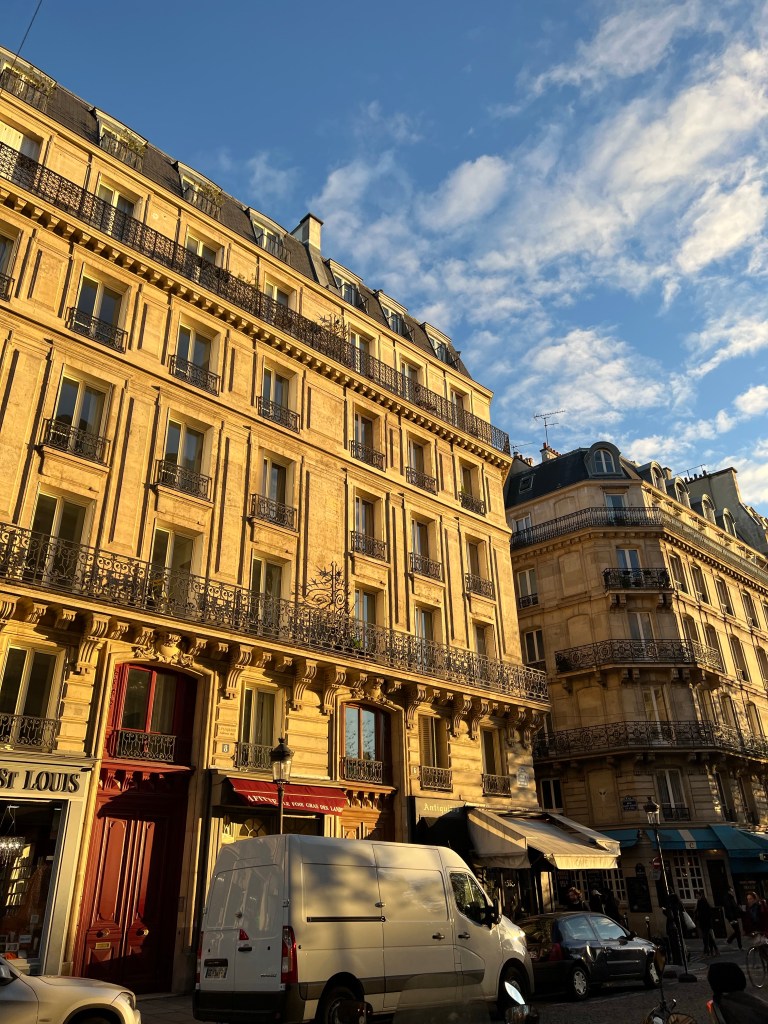
one thing any wayward traveler who has the fortune of visiting paris will tell you is that the city is one marked by beauty. the cobblestone roads are paved with meticulous care, towering sandstone apartments impose a feeling of refinement, the metro stops are adorned with iron vines and glass illusions that make you feel as though you are about to enter a fantasy rollercoaster ride. youth have free access to all art museums and are given a stipend of 300 euros per year to spend on all things culture: concerts, exhibitions, comic books, novels, ballets, and more.
paris’ history has always been characterized by this emphasis on beauty; on a necessity for beauty and the arts. during the industrial revolution, when people moved to cities for the first time, urban designers understood the necessity of creating living conditions in these cities that were aesthetically pleasing. it was important that people lived their lives in environments that were conducive to human happiness and, therefore, productivity (this is a super interesting concept to think about if you’ve ever studied the research on environmental sociology that’s been conducted in the united states. researchers have described how poor, unkept conditions without greenery in urban cities that house lower-income families lead to more violence and criminal activity due to feelings of collective neglect and lack of agency).
but what’s particularly interesting is that the city’s commitment to creating these coveted environments—a commitment to stimulating human happiness—is a sentiment apparent throughout the entirety of french history. I mean, this is a country that has undergone revolution after revolution. this is a country that has rewritten their constitution and restructured their government five times since the 18th century. time and time again, the people have asked for more from their government: more suffrage, more pay, more benefits, more welfare, more art, and more leisure. this is a country that is accustomed to asking for more for themselves (one of the most interesting things that one of my sociology professors in paris taught me is that one of the main conditions that differentiated the lore of the united states and that of france was in the availability of space. in america, whenever the settlers were upset with the living conditions imposed upon them by their government, they would simply move westward; westward expansion became an easier and more convenient solution than sticking around and trying to create change within an existing government. no need to fight for change when you have 800,000 square miles of potential where you can settle down and create your own government with your own rules. the french, however, were confined by their physical limitations. therefore, in a city of great philosophers and revolutionaries, protest became a part of the french dna. to stay and demand that your government does you better, rather than packing up your bags and moving onto the next settlement. this distinction actually serves as a fascinating explanation for the existence of such egregious inequality and poor conditions in our own american cities and states).
I was coming from a country where—aside from the carrot-on-a-stick that is the fateful american dream—the national psyche can be generally summed up by “you get what you get and you don’t throw a fit.” in france, however, I felt the embrace of a country that actively encouraged you to enjoy life and revel in the beauty of it all. to love yourself enough to expect more for yourself.
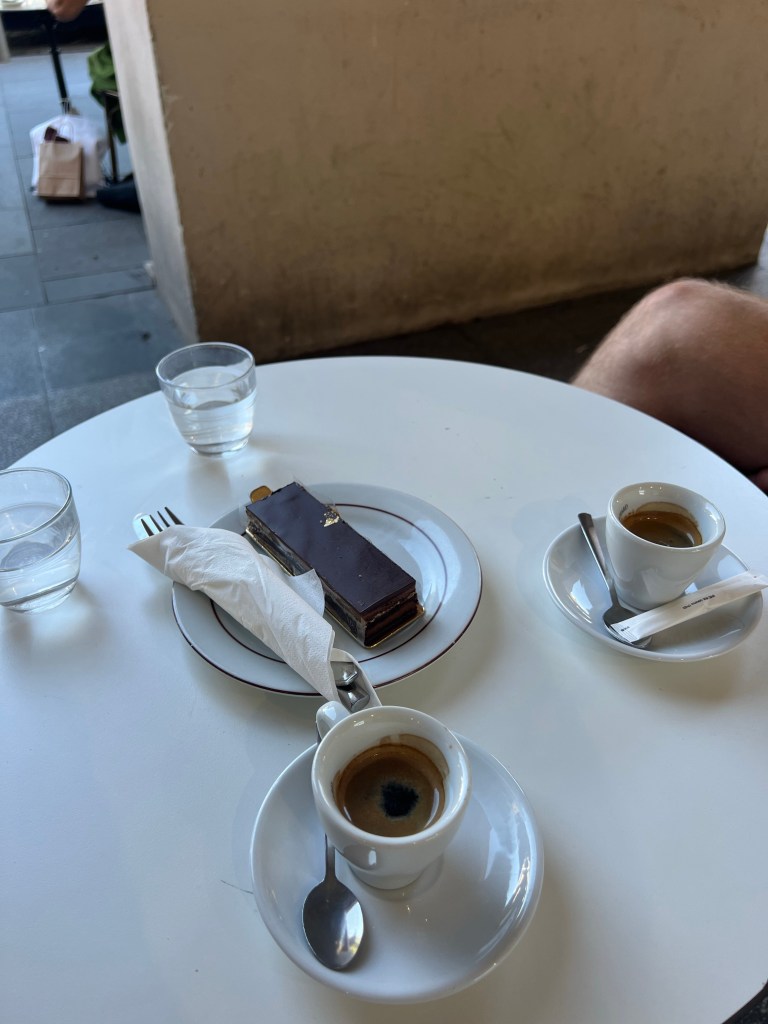
this concept is one that closely resembles that of a love ethic of care. it’s a philosophy that I first learned about in the writings of black womanist bell hooks in her book all about love: new visions. in it, she talks about how an ethic of care characterized by love—love for your neighbor, for your family, for your community—can be the impetus for radical action. when we love our neighbors, we expect better for them: oppressive conditions that limit our joy and growth suddenly become unacceptable when we realize that these policies affect our loved ones. when you advocate to defund the police, increase investments in welfare, or create systems of mutual aid, these intentions ought to be rooted in love for others. to love your neighbor is to want to create a better society for us all to live in.
I bring this seemingly tangential point to our conversation because of one particular point bell hooks makes when she outlines this ethic of care: above all else, one must love herself. love for oneself—love for one’s curves, one’s flaws, one’s smile, one’s livelihood, one’s passions, one’s laugh—these are the things that help us to understand that we deserve more. that our beautiful selves ought to be entitled to better conditions. that we are entitled to enjoying the finer things in life.
I know that I, along with many other fellow older sisters, activists, and young women, are guilty of living lifestyles statistically predicted to result in burnout. we grind twice as hard in order to compensate for the disadvantages that our demographics plague us with. we work extra shifts because we feel as though we don’t have the privilege of slacking. we deny ourselves the finer things in life for the sake of imposing a certain outwards display of suffering: fighting the good fight so that we can die as a beloved martyr for the cause.
if there’s one thing to take away from what both bell hooks and my short rendezvous to paris had to teach me, however, is that a little gluttony every once in a while is good. in fact, it’s healthy. I should feel entitled to feeling gluttonous. if we want to be able to have the power to live in communion with others—if we want to be powerful advocates for our communities, if we want to be kind children to our families, if we want to be empathetic lovers to our partners—we need to let ourselves enjoy the finer things in life. it’s what makes us into fuller human beings. if they really love us, our neighbors should want us to experience the freedom of living like this (my mom used to always say to me, “I get full just watching you eat”). to love your own life is the best way to honor those who gave you the opportunity to live it.
giving yourself the chance to revel in beauty, art, pleasure, pastries, and self love is vital to human existence. women of color shouldn’t have to spend every waking breath fighting and pushing against destructive systems that tell us to hate ourselves. we should want more for ourselves. more than just a second to catch our breaths after a long sprint—we should feel entitled to leisure. conjuring up your own self-imposed punishments (like feelings of guilt or an urgency to be productive) is the last thing that we should be focusing our energies on. we should be living lives with joy in abundance and excess.
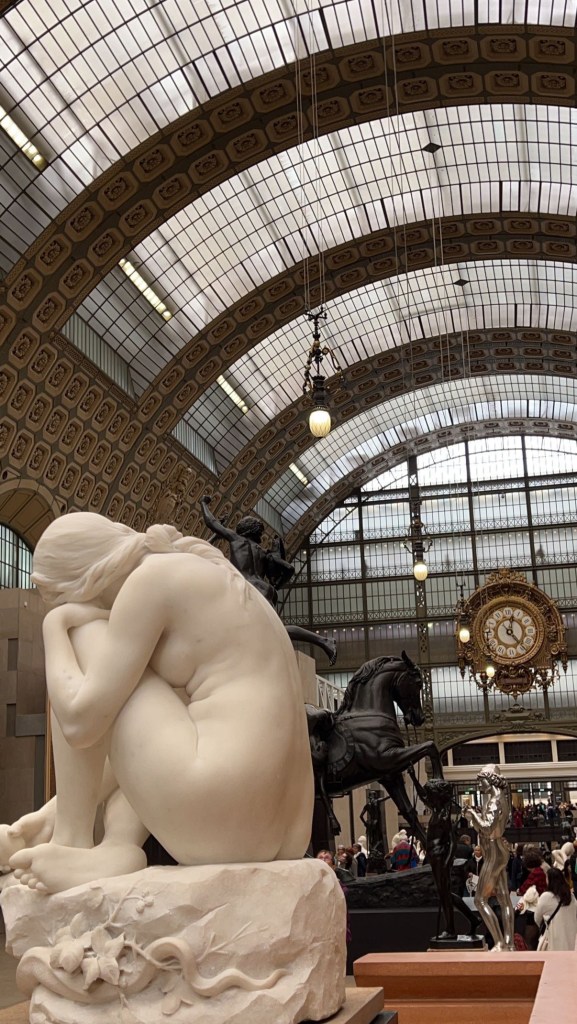
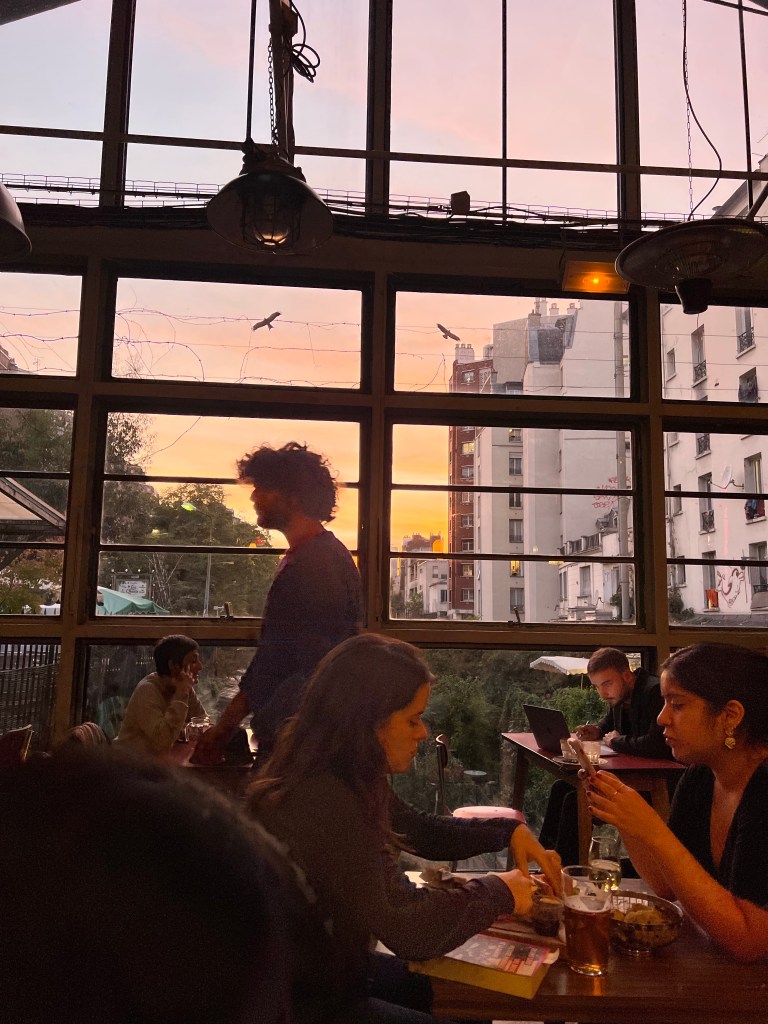
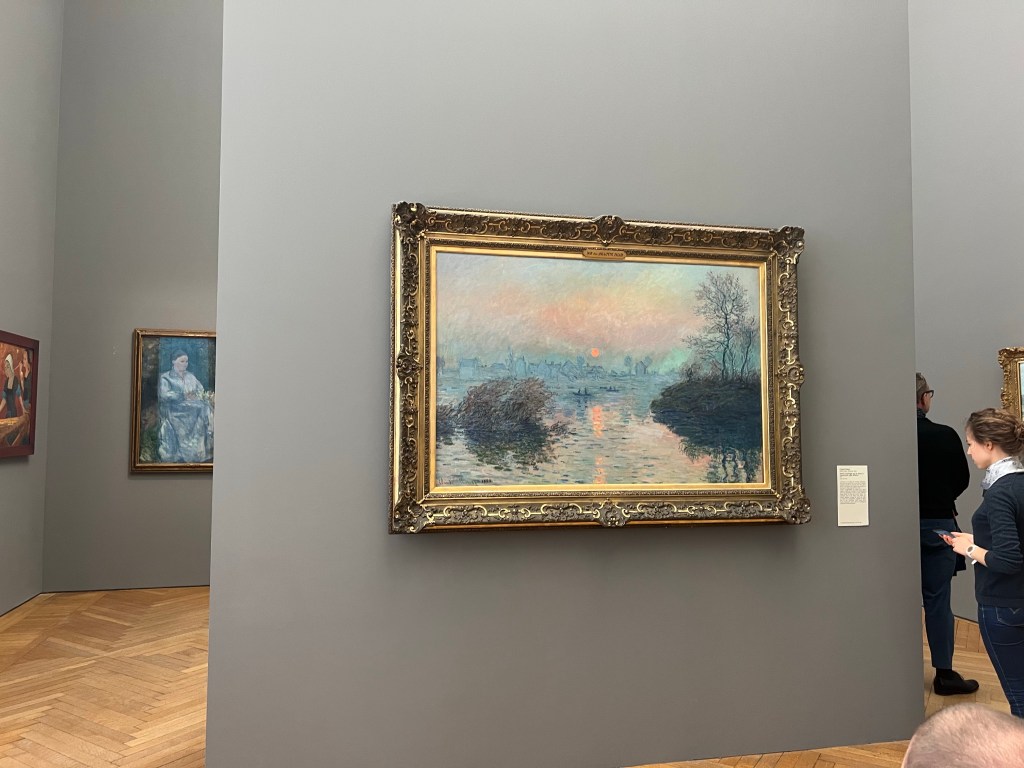
while this may be premature (and, admittedly, a bit dramatic), I think that my time abroad has been the beginning of a new era in my life. entering adulthood and beginning to contemplate the terrible, horrible, treacherous thing known as a post-grad life has been weighing heavy on my mind. I am grateful, then, for having had the opportunity to step away from the endearing mundanity of it my regular life for a sneak peek at what is to come. and this sneak peek has been fabulous. I’ve had the luxury of spending my afternoons wandering the city and slipping into little bookshops hidden away on street corners, perusing the same museums three times over just to look at that one monet painting one more time, and sharing sloppy drinks with my friends at our beloved jazz bar on rue de rivoli on wednesday nights. I’ve stopped punishing myself for things that deserve no punishment and started letting myself love myself in material, social, and emotional ways.
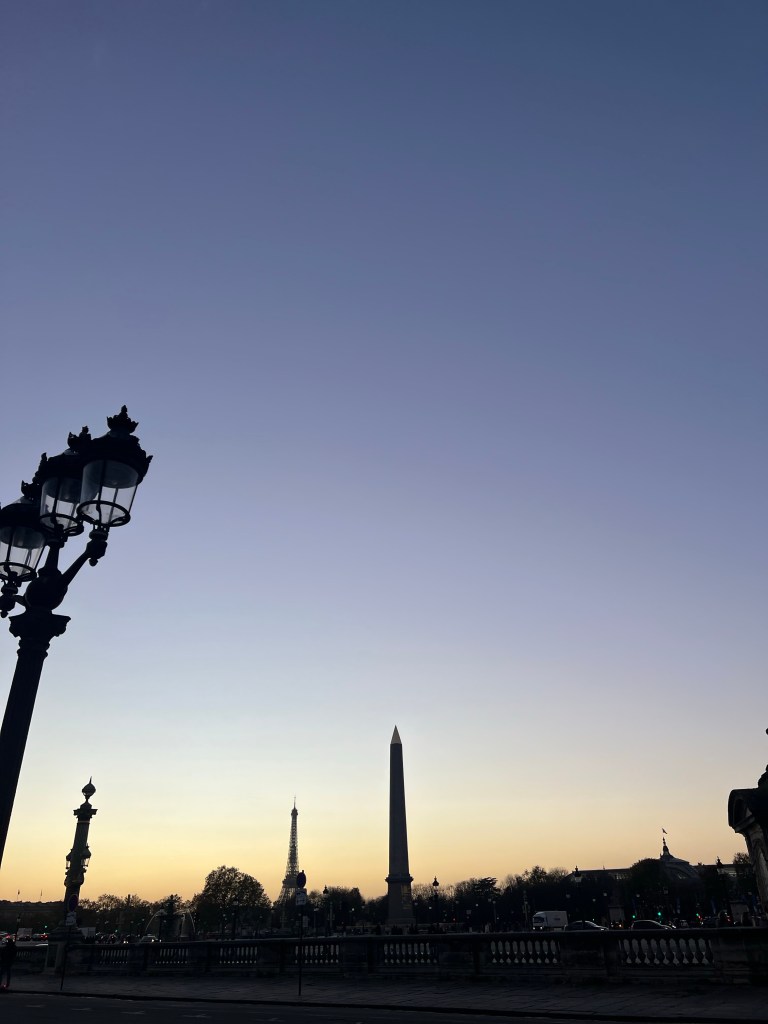
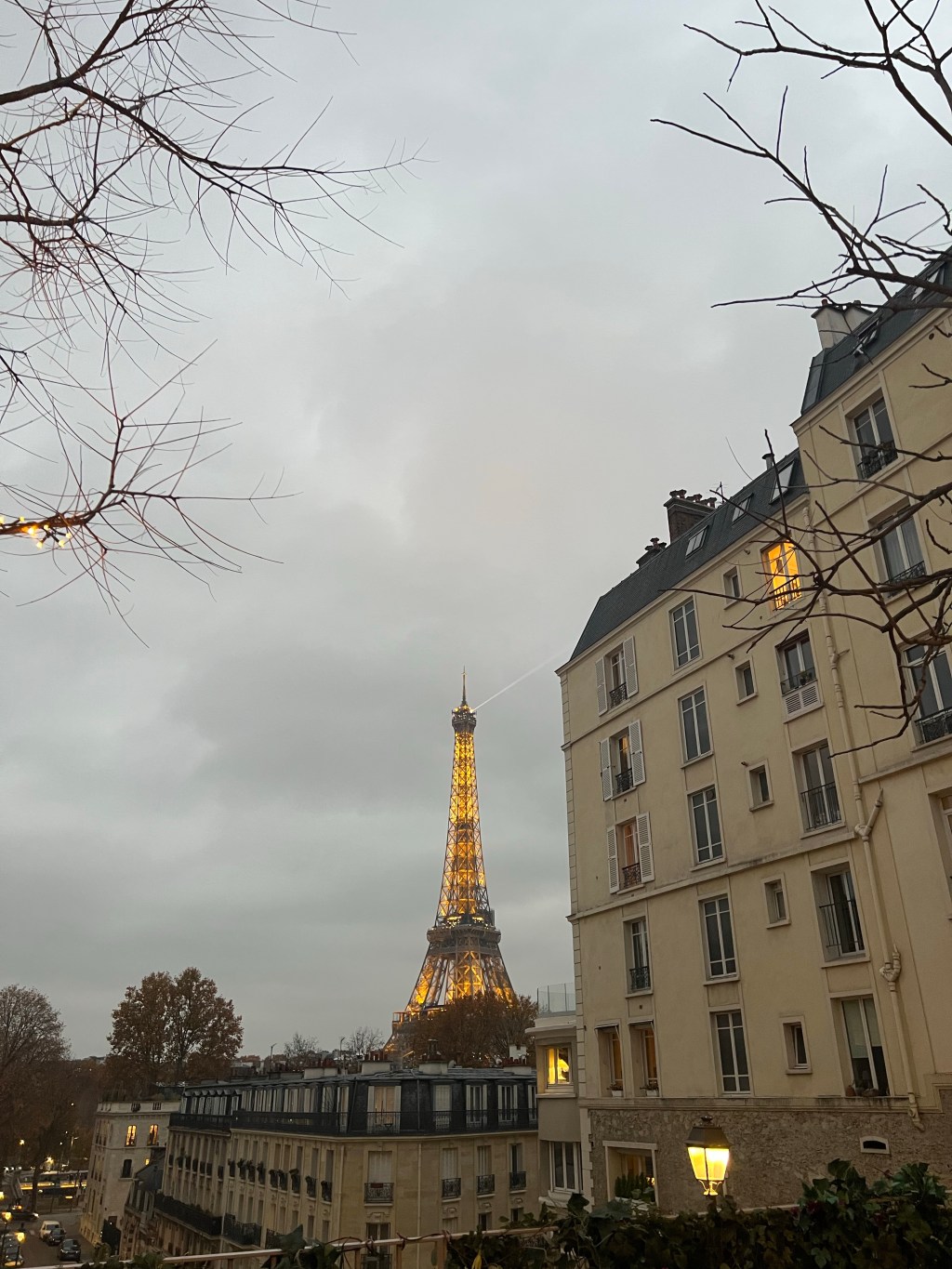
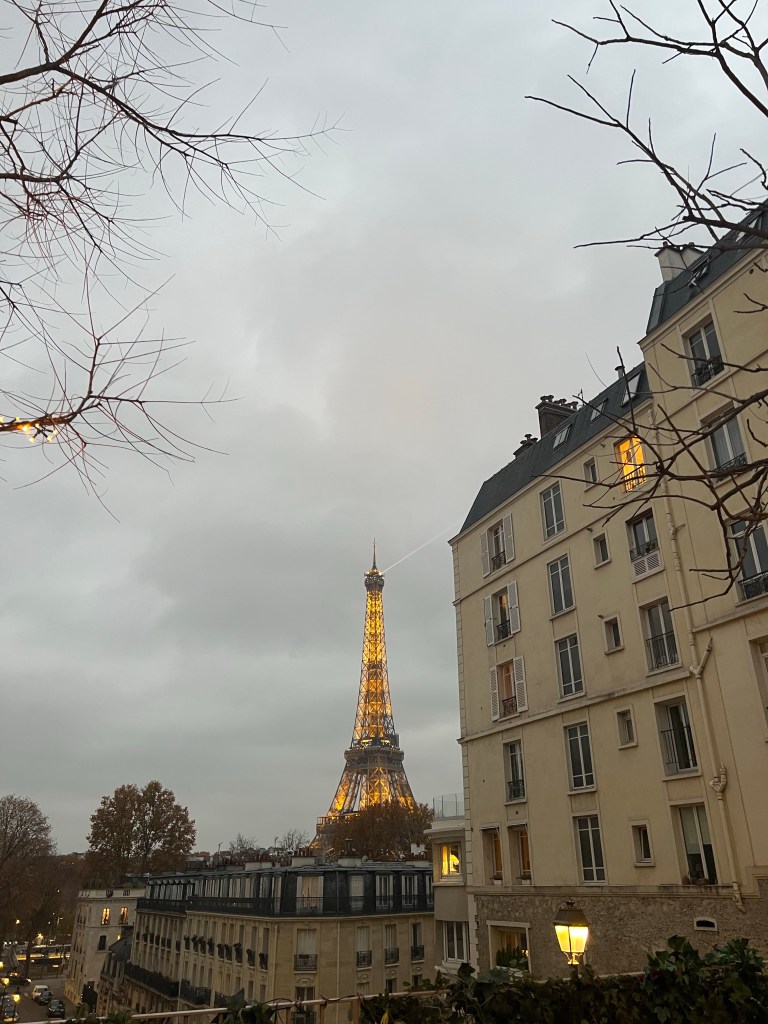
these are the types of joys I want to be able to relish as I go forward in my life. there will always be more than enough time in the day to work. but I want a life where I am entitled to enjoying luxuries with ease and without hesitation. joy should be effortless and unadulterated. these moments of beauty are things that I shouldn’t have to work for. isha, one of my dear friends I made while abroad, put it poignantly when she described the pure delight of stumbling upon a brilliant view of the eiffel tower at the most unexpected moment. whether it be out the window of a warm coffee shop or a brief glimpse of the tower on the metro ride on the way to school, there was a certain magic about being able to see something so beautiful in the most spontaneous of moments without even trying. an unplanned moment of joy.
I have come to learn that, if you let beauty into your life—if you break the cycle of discipline and guilt and shame—you open the door to the moments of serendipity that make life worth it. life shouldn’t have to be hard. and, in fact, it becomes really beautiful if you just let it. paris has shown me that I deserve these things; not because I worked hard for them, but because I exist. to love yourself is to allow these moments of abundance and excess into your life. to be thankful for the opportunity of leisure, to accept it greedily, and to revel in the gluttony.
 nhiều chuyện, by angel lin