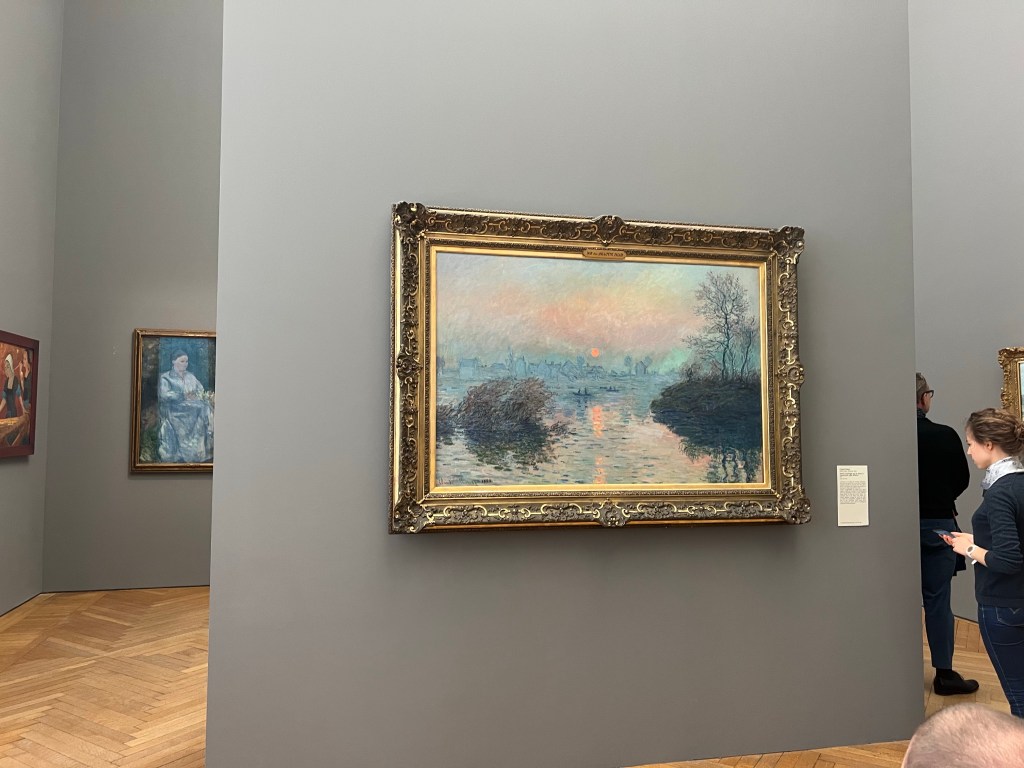
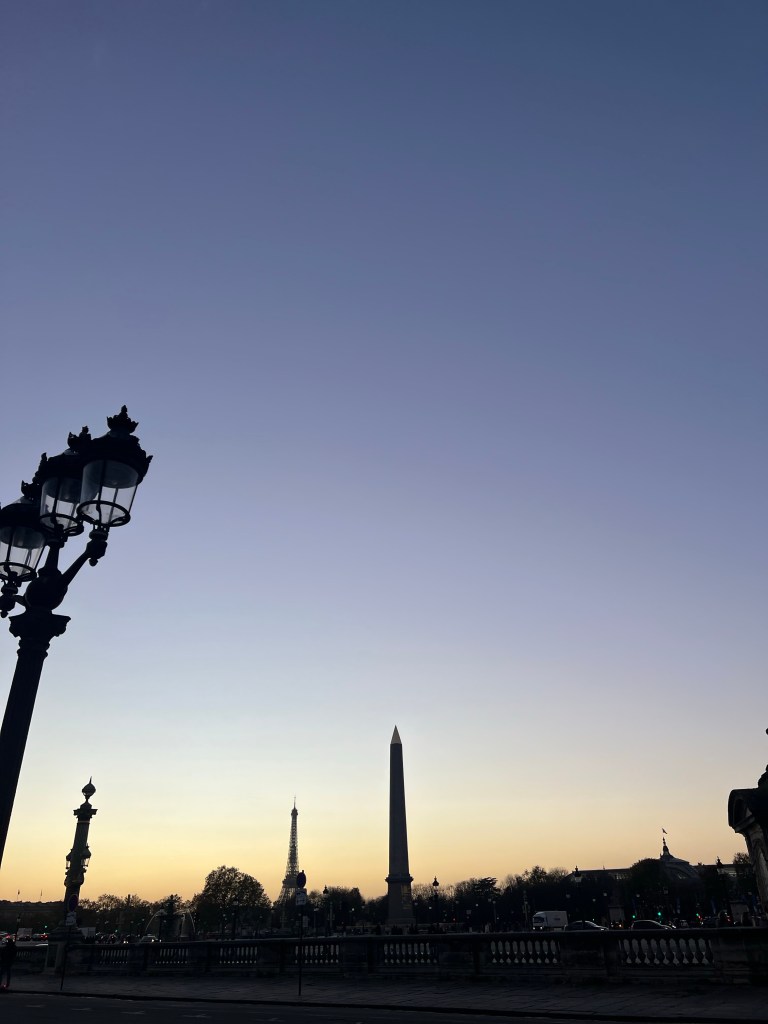
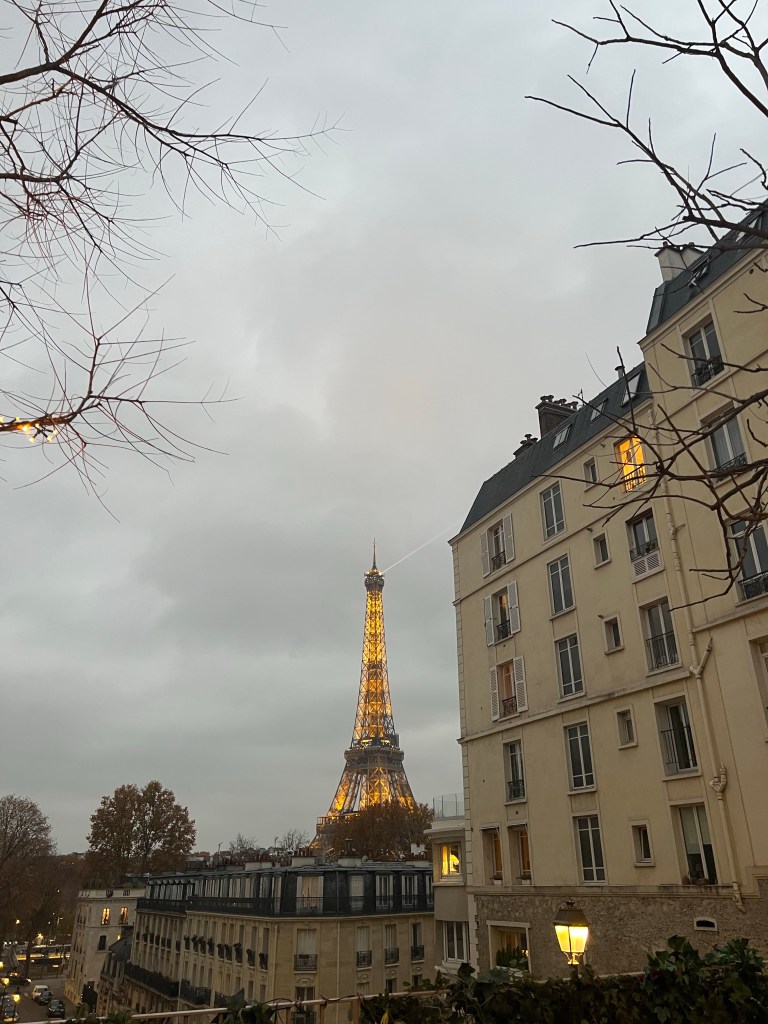
• What’s in my bag, you wonder. Oh well, I’m so glad you asked.

    After spending half a year working as a full-time Behavioral Therapist, I have become a proud owner of what has become colloquially known as a ‘Mom Bag.’ That’s right. I’ve graduated from the trendy canvas tote bag adorned with sassy minimalist designs and catchy political statements. Exchanged it for a double-lined, eight-pound, over-the-shoulder diaper bag that is filled to the brim with treasures and treats from your wildest dreams.

    And on a typical day, my bag contains the following:

    • Pocket hand sanitizer
    • My favorite claw clip
    • My Airpods case (missing one Airpod since Thailand, 2023; may she rest in piece)
    • A 24-piece Paw Patrol puzzle
    • Clorox Wipes
    • An Icy Mint Pebble
    • 4-pack of crayons and a pocket coloring book
    • 2 foam balls (both of which have been reported missing since February 2024 and are suspected to have been stolen by my client’s 3-year old little sister)
    • 1 bubble wand
    • Plastic utensil set (for lunch on the go, when I’m commuting between clients’ homes)
    • Kleenex
    • 2 sticker packs (toy poodles and kitty cats, in case you were wondering)

    At this point in my life, the inside of my bag looks more like the remains of a Preschool Back-to-School sale, than what a 20-something year old would equip in her bag in order to pretend to do work on her laptop at a coffee shop all day. It’s not necessarily what I was expecting either, but when life throws you lemons and snot-filled children, you have to stay ready.

    Behavioral Therapy is a relatively new field, so don’t be too alarmed if you’re not sure what it is. It’s a form of clinical psychotherapy that uses techniques derived from cognitive psychology to teach children how to strengthen positive behaviors and eliminate maladaptive ones. It’s built on classical conditioning theory: reinforce good behaviors, punish the bad ones. It’s also the leading form of treatment for children diagnosed with Autism Spectrum Disorder. For the past six months, I’ve been teaching kids with autism aged 3-7 how to participate in societally adaptable behaviors—things like using words to ask for food, taking deep breaths to offset the buildup to a tantrum, or using your finger to point. Hence, the bubble wand and Paw Patrol puzzle.

    If that sounds intense, I’ll be the first to tell you that it is. I want to preface these insights by saying that this wasn’t exactly the career path that I anticipated I would be taking after graduating last year from Santa Clara University. Don’t get me wrong—I know what an incredibly honorable and arduous feat it is to dedicate one’s life to working in childhood development. These therapists, who I am humbled to call my colleagues and supervisors, are some of the hardest working, clever, emotionally intelligent, creative, and resourceful people I know.

    But, I also know myself enough to realize that I am someone with too weak of a capacity for patience and resilience to last long in a role working with children with developmental disorders. When I came back from Vietnam last fall and the job market received me with folded arms and nasty side-eyes, however, I wasn’t exactly left in a position to take into account my personal weaknesses when considering my options.

    So, when an opportunity to work in a field that allowed me to build real-life experience in disability justice advocacy I had taken on at the Office of Accessible Education, I took it. And I took it head on with the confidence and naïveté of a recent college graduate.

    I cannot emphasize enough how much valuable insight I have learned in these six months. I’ve learned things that I couldn’t learn sitting in a meeting with company executives or studying an org chart. These are gems of wisdom one can only gain by spending days playing outside in the warm sun with screaming 4 year-olds.

    I’m coming to the end of my term as a Behavioral Therapist. I’m about to take on a new opportunity—one that involves more time at a desk on a computer and less time playing with race cars. I’m excited for it. But it’s bittersweet. I’ve been feeling especially reflective about my time in ABA. And I miss the kids. A lot. So I wanted to take some time and share some of the topics that I’ve been thinking about, skills I’ve learned, and insights about life I’ve had the chance to stumble upon while playing tea party in the backyard.

    One of the most intellectually fascinating aspects of working with young children is learning about learning. You get to actually see firsthand what it’s like to teach kids a new concept. The other day, I literally taught one of my kids what a panda was.

    Behavioral science is rooted in concepts like Pavlov’s Dog. You associate a particular behavior with a reward, then your brain begins to automatically create the neural pathway between that behavior and the reward. For example, if you give a kid the ball every time he says the word “ball,” they’re going to begin to realize that the word “ball” will get them the ball. You do this over and over again with different items and objectives until the kid begins to understand that everything in this world has a socially constructed label and socially appropriate means of obtaining it. You get to see in real time how humans begin to learn language, socialization, and, eventually, transitive reasoning.

    (On a side note—this is especially interesting when you think about how large scale AI models learned how to use and manipulate language. What started out as huge, jumbled, and incoherent data sets become, over time, organized clusters made up of neural pathways that eventually could form entire sentences using proper English grammar. All because some dudes in San Francisco kept rewarding the model when it was able to finish a sentence like “The quick brown fox jumped over the lazy ___” with the word “dog.” When you reinforce similar neural pathways over and over again, add in more data, and then allow it to form its own neural pathways, you get something resembling a human brain. This is what they mean when they say they’re training the model. But, I digress.)

    For me, the really interesting part is the behavioral analysis. This is when you have to do some trickier investigative work. Because, according to behavioral psychologists, all human behaviors serve one of three functions:

    1. Attention
    2. Avoidance
    3. Access to tangibles

    And if a kid happens to want one of these three things, but they haven’t developed the behavioral tools or language to tell you, they’re going to try whatever else they can to get to these functions.

    So when you’re in the middle of a lesson and the kid starts screaming or hitting her little sister or putting crayons in his mouth… you have to take a step back and try to figure out why exactly they’re doing this. What function are they trying to accomplish? Has this behavior, in the past, been able to result in a desired outcome? Something like the lesson ending early, a teacher asking them to leave the classroom, or dad intervening to talk to them? If that’s the case, it’s likely that this particular behavior’s function is escape. And once you figure that out, your job is to help them learn how to use more adaptive behaviors to obtain this escape: like, for example, saying, “Can I have a break?”

    It’s repetitive and, oftentimes, frustrating work. It’s hard to be playing detective all the time, trying to decode these kids. And humans are not computers, so their behaviors aren’t exactly uniform or predictable. But learning these concepts and working with these kids has made me surprisingly introspective. It’s made me think about all the not-so-great behaviors I’ve picked up in my own life. Like how I overcompensate and over-apologize to escape confrontation. Or how I act passive aggressive when I’m feeling insecure because I want attention from my partner.

    Doing this investigative work has taught me to be more empathetic. To these kids and to myself. It’s been really cool; I’m uncovering the root of some of my worst behaviors, doing my best to learn more adaptive alternatives, and expanding my capacity for patience and understanding.

    Think about it. When was the last time you did it? Unless you were a theater kid or an overexcited debate kid (guilty as charged), it’s likely been a while.

    Playing pretend is one of the most effective practices when it comes to childhood development. It’s an opportunity to force kids to make improvised decisions, allow them to practice dialogue and vocabulary, introduce them to new concepts, and help them follow a sequential storyline. One second, you’re a band of pirates looking for buried treasure. The next, the pink sea turtle you were keeping on your ship as a pet turns out to be a pirate sea turtle who has been plotting to steal your treasure this entire time! Now what do you do?

    Nowadays, this type of unstructured play is becoming rarer and rarer. Screen time has gone up exponentially in the past five years. 3-year-olds are spending hours on Youtube Kids watching overstimulating candy-unboxing videos and rollercoaster POV’s. For single parents and working class parents, regulating screen time is an almost impossible task. Tablets pacify kids faster than an industrial dose of morphine. They’re spend their days consuming predatorily addicting content. I mean, how can you blame these kids when we’re doing the same thing?

    That’s why it feels like playing pretend is now more important than ever. Playing pretend exercises the same part of your brain that lights up when you’re freestyling with friends, or riffing off someone else’s joke, or giving an improvised speech. When we play pretend, we force ourselves to be creative. We have no choice; there’s no content to distract us (I can’t help but quote the beloved @Glamdemon2004 when she so eloquently asks: “What hobbies do you have other than consuming content?”). Playing pretend teaches you how to act on the fly and interact with the environment around you.

    A good play-pretend session feels like a good jam session—all the band players are in tune, anticipating each other’s moves, but still giving each other the space to try something wildly new and unpredictable. And if that something-wildly-new crashes and burns? The others pick them back up right where they left off.

    Now I don’t have the science to back this up, but I think that one of the most beneficial aspects of playing pretend is that it builds your confidence. It gives you a chance to try on new personas, and do it with the pizazz you might not normally have in real life. Because, if you want to pretend that you’re the fastest pirate swimmer in the world, you better say it like you mean it. When we play pretend—when we allow ourselves to be creative with nothing at stake—we can surprise ourselves with how real it actually feels.

    The kids don’t care that you got your second flat tire in the span of two weeks or that you’ve just broken up with your longterm boyfriend. They will throw tantrums and scream and kick and still expect you to bring your best energy to the tea party.

    That being said, it also applies in the reverse. Just because you spent the day having to pick dried Play-doh out of your hair because some conniving little 4 year-old thought it would be fun if she added some unsolicited turquoise to your hairstyle, does not mean that you shouldn’t enjoy a Friday night out with your friends.

    Apparently, hand-building sculpture skills transfer really well to Play-doh. All of my clients and their parents were very impressed by my ability to make miniature clay cats.

    Children are gross and lack concepts of boundaries. You need to teach them that they’re supposed to close the door when they use the potty and that people don’t want to see their boogers. Keep Clorox on hand at all times.

    They really do. I don’t think we give them enough credit. Kendrick was right when he said Drake “don’t know nothin’ bout that.” And, mind you, I say this fully self-aware of the fact that I am but a measly almost-23-year-old with no children of my own. But spending the past six months in the homes of young parents with young children, I got a front row seat to the rollercoaster that is parenthood in America.

    There are two types of parents that I worked with when I was in ABA: the ones who you can tell planned the conception of their child down to the minute of their ovulation for optimal fertility, and the ones who refer to their screaming two-year-old as “the one that wasn’t supposed to happen.” But the thing is, no matter how prepared you thought you were to bring a new human being into this world, you’re not.

    There were a few moments I grew to anticipate with every new relationship I formed with the parents. When the kid is using their cutest puppy dog eyes to ask for another piece of candy and I can’t find the spine to say no so I look pleadingly to mom or dad, only for them to respond with soberingly resounding, “NO.” Or, when the kid starts doing something completely inane, like spraying their little sister with a water hose, and I’m met with the most unsurprised and unimpressed look of nonchalance. (I told you, I’m not cut out for this…)

    Another moment I came to know, however, was one that I never fully learned how to deal with. These moments always took place after a particularly difficult day, and they would always happen with particularly young parents. A day when something may have set the kid off into a bad mood—maybe it was the weather, maybe it was because dad was late for pick up, maybe it was because spending your entire day in back-to-back appointments for occupational therapy, speech therapy, homeschooling, and counseling is draining. On these days, when tantrums and other maladaptive behaviors spiked, the parent, the kid, and I all shared a sense of exhausted defeat at the end of the session. Just as I was finishing off my session notes and getting ready to dart for the door, the parent would stop me: “Do you think she’s gonna be okay? Do you think this is working?”

    And in these moments, I never had a good response. I would regurgitate some spiel about how improvement isn’t linear or show them that the data was showing generally positive trends. But I think what the parents were really sharing in that moment was more vulnerable: they were scared. Scared for their kids and scared that they were doing something wrong as parents. Because, of course, parents want the best for their kids. But how can you feel confident about what you’re doing when every parent wants the best for their kids, and not every kid ends up growing up to be their best?

    Being in this role and sharing these intimate moments with parents has honestly been difficult for me. I’ve seen the ways that becoming a mother can completely upend the life of a woman. How staying at home all day with three toddlers while your husband is away at work can be socially isolating and violently frustrating. One of my clients’ moms is Palestinian. And everyday I would come over, she would share with me her anger, grief, and fears about her family in Gaza. We would discuss the news that we had seen online or what she had heard from the family members she still had contact with. Her frustration would reach a height, however, when we would receive news about a particularly atrocious event like the Flour Massacre in March: “The kids just don’t get it. They don’t know what’s happening and they just make it worse. I can’t even grieve without having to still tend to their every need.”

    I want to be a mother. This is something that I’ve always known and, somehow, after being in this role, I know I want it even more. The idea of raising children and caring for a family is something that’s important to me. And, like every other parent who has come before me, I want to do it right. So I’m thankful that I have the time and the youth to wait. To wait and to prepare. To ready myself for the emotional and professional cataclysm this will have on my life. To anticipate the inevitable hormonal fate that leaves me valuing my children’s lives over my own. To reflect on how my own mother put so much of herself and her best intentions in me. And to pray that I can only do the same for my own.

    Still working on this one. (Anyone who knows me knows that I have a habit of quickly becoming overly emotionally invested in my relationships and that I struggle immensely with letting go.)

    Remember when adults used to see you and say, “Oh my gosh! Look how much you’ve grown!” Well, it’s true. In these six months, I’ve seen these kids grow too tall for their pants and too mature for Paw Patrol puzzles. It’s a beautiful and exciting thing. And I’m heartbroken to think that I won’t be able to keep seeing them every week. I can’t help but worry about them. I want to wrap them in my arms so they can stay tiny and I can shield them from the scary world. But kids grow too big to be held and, at some point, you have to let them go.

    It’s only been a couple days but I already miss these kids desperately. I miss the way they would play with their food and give all their stuffed animals the same name. I miss hearing what they would say every time I showed up with goofy new earrings. I miss playing Butterflies and Red Light Green Light and Tag and Pirate. I miss listening to their silly stories and asking them questions about their favorite garbage trucks. I miss eating Maqluba with the girls at the dinner table. I miss their giggles and the way their eyes lit up when I made a fool of myself in whatever game we were playing. And I miss them a lot.

    But, to say goodbye, you need to have the guts, maturity, confidence to know that you were in their life for a season, for a reason. And that reason better have been good. There aren’t many people who are going to be in your life forever, but there are moments you’ll remember forever. So I hope that, when these kids are all grown up, they maybe vaguely remember the times we played pretend or, every once in a while, think back to that one therapist who was really good at making good Play-Doh kittens. Because I know I will.

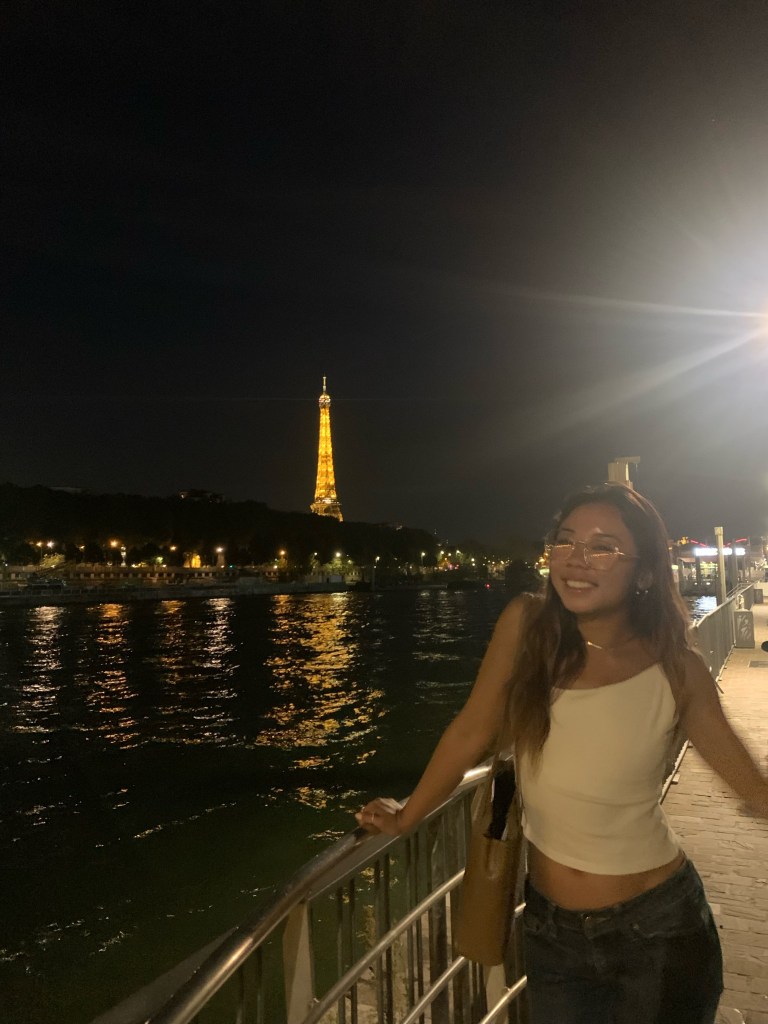
  • there’s something in the air today. it’s something subtle, but pungent, like the naughty smell of a calleryana tree in the spring time. or, more like the sharp, metallic taste of blood in your mouth.

    can you feel it? can you smell it?

    it’s the stink of colonization. it’s the rancidity of culpability.

    but you see, someone unfamiliar with the patterns of colonization could easily mistake it for something else. one could smell this stench and call it something completely different. something like “war” or “self defense.”

    but those familiar with the topic—those whose countries have been victims of western imperialism, those who can recall intimately the quiet violence of american terrorism, those whose parents’ home countries were defiled by the politics and missiles of the cold war—can smell this smell and tell you exactly what it is:

    they smell an apartheid. a propaganda campaign. an ethnic cleansing. a genocide.

    the smell is everywhere—literally impossible to ignore—and it’s burning my nostrils. it’s driving me crazy, to the point of madness. it makes my head pound with a violent exhaustion and a sad anger.

    now, don’t feel bad if it’s not a smell you know how to identify. don’t feel bad if you can’t even smell it. it’s actually in your best interest that you don’t talk about it. just take in a quick whiff, let it pass, and don’t say a word. lest you risk your reputation, your job, your life. just close your eyes, plug your nose, and open your wallets filled with american tax dollars.

    and if you can smell it, it might even be wise to actually pretend it isn’t there. to call the folks who call desperately attention to this stench mad. call them crazy or, better yet, call them anti-semitic. the guilt of colonial violence can be easily silenced by fragile tears of victimization.

    or, if you’re not the confrontational type, instead, feign incompetence. say that it’s far too complicated of a conflict for you to pick a side for. pretend you don’t see the bombed buildings and bodies buried in rubble. say that you had never known about the last 75 years of unrelenting and unforgiving violence. emphasize that the news coverage happening today is too violent and shocking for you to even consume. make sure you mention how distressed the mere thought of beheaded babies makes you feel.

    but the tricky thing is, these tactics only work for so long. give it ten, fifteen, maybe even a hundred years. give it until the history books begin writing themselves down. give it until we see a people’s liberation or a people’s elimination. give it until your children are old enough to ask you questions about this time. at that point, the guilt of imperial violence be rotting. the smell will be so vile that you’ll be spitting it out of your mouth. it only took the seven years for vietnam. it only took seventy years for algeria.

    but, don’t you worry. bide your time and enjoy the moment. because, one day, it will free itself. the stories, the mourning, the guilt. they’ll come bursting through the floorboards and they’ll show you their ugly face. and at that point, you won’t be able to look away. you’ll be suffocating.

    do you smell it? something rotten, something guilty.

  • I think a lot about how we as human beings are connected, tethered, and obligated to other human beings. If you’ve read my other blog posts or have ever had a single conversation with me, this has probably become apparent. maybe it’s my sociological training or maybe it’s the years spent playing a balancing act with my family’s precarious dynamics as the peacekeeping oldest sister. 

    the concept is especially interesting to me in a country that runs on an almost paradoxical notion of self and society. I am far from the first to say this, but I’ll say it again: in the united states, we often find ourselves motivated by a self-preserving and self-sabotaging individualism. it’s what colors the discourse of our politics, the way we raise our kids, and the things we spend our money on. it’s what’s led to the feeling of chronic loneliness and disconnection that we see throughout the nation.

    and yet, on the other side of the coin, we are a society with a capitalist system that survives on a sort of self-sacrificial puritanism; we are quick to give ourselves up—our identities, our bodies, our time—for the sake of others. american friendships are characterized by our fake niceness and superficial friendships, it’s considered standard for employees to over-exert themselves in their jobs at companies that never really offer personal reward, and we sell ourselves as brands on our own social media accounts for the consumption of others. nearly everything we do is for the sake of the people and systems around us. 

    it becomes interesting, especially, when the groups and communities we place ourselves in become wrapped up in our notions of identity. when the group is what defines how we see ourselves. a sociologist by the name of goffman came up with a concept known as a ‘total institution.’ it describes “a place of work and residence where a great number of similarly situated people, cut off from the wider community for a considerable time, together lead an enclosed, formally administered round of life.” these total institutions often require that we need to resocialize ourselves in order to understand how to work and behave within the social structure of that specific institution. common examples of a total institution are a police force, the military, prison, or a college campus. in these places, the rules and expectations are different from the outside world. when we find ourselves in these total institutions, it reshapes the way we view our relationships with other people. we see them as the role they fulfill—professors, servers, managers, frat boy—rather than as individuals. ever run into a teacher or professor at the grocery store outside of school and you’re completely thrown off because you don’t know how to interact with them as a real human being?

    but the scary part is when, within these total institutions, we begin to lose our own sense of self. we begin to lose our ability to distinguish between ourselves and the environment we have encased ourselves within. convincing yourself into believing the delusion that if you sacrifice yourself for the good of the company, you’ll somehow receive some benefits for yourself. this way of thinking, I think, makes our relationships and our interactions feel less meaningful. you’re no longer creating a relationship with someone as a human being, but to fulfill a utilized purpose.

    as someone who has had a bad habit of getting too emotionally involved in codependent relationships—with partners, with siblings, with organizations—I know what it feels like to have your actions and choices no longer feel like yours. to no longer recognize the person you’ve become and only be able to see yourself as a product of your environment. to only know an identity through how you are perceived by others. 

    and so, what happens when an overachieving, over involved, former-student-body-vice-president-turned-valedictorian graduates college and is suddenly taken out of one of the most all-encompassing, life-sucking total institutions of her life? well, she runs away, flees the country, and has an identity crisis.

    and let me tell you, this whole being alone thing? terrifying.

    imagine showing up to a hostel in the middle of the night after braving the dark and rainy alleyways. you’ve spent the evening on unfamiliar streets dodging overly excited motorbike drivers who are calling out to you in a language you can’t quite understand enough to decipher whether the phrases are catcalls, insults, or taxi ride offers. the receptionist at the front desk hands you a stack of questionable-looking towels and leads you up to your mosquito-infested room with six other slumbering strangers. you do your nightly skincare routine at the shared sink and try your best to not look at the oddly-colored stretch of what looks like mold growing across the ceiling while you apply your retinol. then, just as you’ve finally gotten settled in your bed—the bottom bunk closest to the door, nonetheless—and you draw the curtain closed, you hear the door open. a group of loud, drunk, belligerent men stumble into the room (as someone who has keeps to their skincare routine like a religion and has an unresolved fear of men, this was a nightmare scenario)

    you’re alone. no one knows you. all of your emergency contacts and trusted confidants are on an entirely different continent in an entirely different time zone. the only person who knows your name is the sleepy receptionist. if you were to disappear the next day, there’s not going to be a search team desperately looking for you. you’re a solo traveler.

    another aspect of community that I think we are often overlook is its ability to offer a sense of security and safety. when the community is small enough that almost everyone knows everyone, word gets around quick. complete anonymity is almost impossible. membership to the community almost feels like an extra layer of insurance. there’s the assumption that you are less likely to be harmed if you have an entire community looking out for you (this may be a delusion when you take into account statistics like the fact most instances of rape on college campuses take place between individuals who know one another. but, I digress.) the reason we think this way, however, is that in this community—in this institution—we have the power of social pressure. 

    foucault is a french philosopher who has a lot of writings on policing and what he calls “biopower”—power over life. the power to control one’s behaviors and actions through coercion, persuasion, or surveillance. and when we think about biopower, what often comes to mind are stronger, more explicit institutions, such as the government or the police. but, in order for those to function, we all need to be willing participants. within a community, we all have biopower.

    he talks about this using a metaphor for a specific design for a prison: the panopticon. imagine a circular prison with prison cells all around the circumference of the circle. there are multiple floors so, past the solid brick wall on top of you, below you, to your right, and to your left, there are other prisoners in other cells. but, on the wall facing the inside of the circle, the prison cells have bars that can be seen through. from your vantage point, you can see into the cell of almost every other prisoner, and they can see into yours. in the middle of the prison, there’s a large tower. it’s a watchtower with prison guards watching from the very top. just as you can see into every other prison cell, they can, too. but there are too many cells for the prison guard to watch every single prisoner at once; only god can be omnipresent. the room at the top of the watch tower, however, has a bright light. a light so bright that you can’t see even see into the room at the top of the watch tower. so, while you’re sitting in your cell, you can’t tell whether or not the prison guard is watching you. you can never find a moment where you are absolutely sure that you’re not being watched so you can’t carry out your plan to escape. so you simply behave as though you are being watched, all the time.

    but here’s the catch, none of the other prisoners want to be reprimanded either. and human beings have funny habit of getting upset when they witness unfair treatment—like watching someone getting away with something that you weren’t able to. and, remember, every other prisoner can see into your cell and you can see into theirs. so when you catch a prisoner on the other side of prison trying to pick the lock and escape, you call out to the prison guard in the watch tower and tattle so that the other prisoner can get punished. and so, unwittingly, every prisoner in the panopticon becomes a watch guard for everyone else. the guard does not have to even be watching in order to impart social control. hell, he doesn’t even need to be sitting in the watch tower. we have all already become implicated in the very surveillance that keeps us confined. we behave and we keep one another in check, at our own expense. 

    the panopticon is in every aspect of our lives, whether we are part of a smaller community or not. it’s in the surveillance cameras at the traffic lights catching you run the red light, it’s in the social media apps mining endless amounts of data about our lives, it’s in the gossip that we tell our friends. i’m not saying that the panopticon is necessarily always a bad thing. in fact, in our world where the internet has overloaded us with information and desensitized us to violence, I think it’s often necessary that we keep one another in check.

    but, imagine, if just for a moment, you were released from that panopticon. if you were able to run away to a new country where no one knew you. where no one belonged to you and you belonged to no one else. you’re on your own, your stay is temporary, and you can create the identity you’ve always wanted to without fear of recourse.

    it was liberating. like letting go of a breath I didn’t even realize I was holding. like finally getting a chance to see myself outside of responsibility, obligation, or reputation. 

    it gives you the room to mess up; to make a fool of yourself at a cafe because you don’t know how to ask the barista where the restroom is so the two of you are left making some obscene hand gestures in a public game of charades. it makes you feel more willing to take risks: wear clothes you would never wear at home, go out to the bars without makeup or deodorant after a long day of hiking, read poetry at an open mic, sing at a jazz club, dance in public. it was like being a little kid again. 

    now don’t get me wrong, it’s not like I just became a completely different person. but for the first time in years, escape from the watchful eyes of everyday life was like an opportunity to try out different parts of my personality. to become more sure of myself and the parts of me were really me. being alone made me more attuned to my preferences, my tendencies, my limitations, and my sources of joy. all of these, I could determine on my own accord without having to be considerate of someone else’s feelings. 

    one of the most surprisingly delightful parts of being alone were my interactions with the people I met. whether it be the silly interactions I had with my hostel bunkmate, the eye-opening conversations I slipped into with locals, the enthralling stories discussed over vietnamese iced coffee, or the adventures I went on with friends from the homestay, these interactions were all loving and beautiful for their own sake. there were no social repercussions for being shitty, but there were also no social rewards for being genuinely good.

    throughout every interaction, there was an underlying sense of detachment: there was little intention of community-building and it’s unlikely that I’ll ever see many of these people ever again in my life. but the temporality of it all—the fact that there were no expectations of building a longterm relationship—made the kindness almost feel warmer. I was receiving the generosity of these people simply for the sake of it. altruism simply because we wanted to share these brief memories with one another. it’s made me excited to return home with a newfound sense of joy for my friendships. 

    traveling alone has taught me quite a bit. about myself, my culture, and the world. at the core of it all, this experience has taught me to have more trust. trust in myself and my abilities; I now know I have the wit and will to get out of even the stickiest of situations. trust in the world; realizing that there are more good people than there are bad people (so living a life of suspicion and paranoia will only reduce your chances of interacting with the good people who want to help you). trust that I can find good experiences wherever I go, even if things don’t go according to plan. and trust that if I meet the universe with generosity, it will return with the same. 

    I’m back home in the states now. it’s a completely different context than the one I was in the last time I was here. I’ve graduated school, I’m living out in the city, and I’m on the hunt for a big girl job. it’s too early to tell what new type of panopticon or total institution I’ll inevitably find myself entangled in. but, for the first time in a long time, I’m not worried about my future. I have a better idea of the person that I am; the identity that feels most comfortable on me outside of the social pressures of society. all of a sudden, the adult world isn’t so scary anymore. if I could survive the mosquitoes, waterfalls, and motorbikes of southeast asia, I can conquer whatever life has in store for me next. trust me.

  • Việt Kiều n.
    Vietnamese Sojourner
    Overseas Vietnamese; a term referring to Vietnamese people residing outside the territory of Vietnam. They may be holding Vietnamese nationality or/and the nationality of the host country.

    There are approximately 5 million overseas Vietnamese, the largest community of whom live in the United States. See also: người Việt hải ngoại or người Việt Nam ở nước ngoài.

    I’ve been getting quite a few strange looks here in saigon. inoffensive looks, but invasive looks nonetheless. the drivers do a bit of a double take when they come to pick me up from the corner of the street and I greet them in vietnamese. the lady selling bánh cuốn from the metal cart stares me down from across the alleyway, as if sizing me up to determine whether or not I have the guts to eat her street food. they look at me as if they might know me. as if I could be their cousin’s daughter or maybe a family friend who came over for dinner once.

    but there’s always something that gives it away: the tan of my skin or the sunspots on my face, the way I grip the seat of the motorbike until my knuckles turn white, the slight lilt of a stammering american accent that is punctuated with “uh’s” and “like’s.” once their suspicions are confirmed, they almost always immediately spot me for what I am: việt kiều.

    without having to say a single word, my face and my foreignness are enough to invoke a complicated story of a divided country. a story of war and conflict and division. a story of a people who fled their homeland because of hatred and terror and resentment and hope for something better. in their eyes, I am the daughter of the prodigal son who left home but was always just a little too stubborn and a little too prideful to come back.

    you see, the term việt kiều was originally meant to only describe this specific group of people. the families from the south who fled vietnam after the fall of saigon, after the rise of communism, after the political persecution, after the reeducation camps. the term refers to the fishermen who held their breaths as their wooden boats packed tightly with women and children lifted from warm sandy shores and into the cold night in hopes of finding land somewhere across the pacific ocean.

    and so I think the term is an interesting one: vietnamese sojourner. it implies that this is only a temporary residency—as if it’s only a matter of time before the naughty children come running back home to mother.

    and yet, the opposite has occurred: the vietnamese diaspora has firmly established itself as a force of nature in cities across the globe. in cities like san jose, paris, houston, melbourne, saxony, they have built little saigon’s, formed political coalitions, and started families. these sojourners have forged for themselves a permanent home.

    and so I think that’s part of why I am such a puzzle to the people of saigon. I do not look like the family members they once knew, nor do I look like the americans you see in movies. I am something a bit different. they look at me with a certain excited confusion, because they see me for what I am: I was born and bred in the united states—raised on GMO-pumped milk, reality tv, and mcdonald’s chicken nuggets—and yet, I am vietnamese.

    you know, I’ve never been able to fully get behind the anger surrounding the notorious microaggression of a question: “so, where you really from?” (apologies in advance for this piping hot take, but in the evolved year of 2023, I think that we’re capable of demonstrating respectful interest in our peers’ ethnic origins without having to make a fuss. but, I digress. ) I think it’s a question that feels especially harmless to me because I think that our american conception of being from somewhere is too loosely defined in the first place.

    of course, whenever people ask me where I’m from, I have my canned response prepared: from seattle, but went to school in the bay area—west coast, best coast!! and I think this is the natural inclination for most of us when we think about where we’re from. we are a country of folks who rep our states proudly, wear our alma mater colors long after graduation, and spend our sunday’s cheering for our football teams. when we think about where we are from, we think about the town where we grew up. we think about the mall with the ice cream shop or the restaurant we would always go to after church.

    but I can’t help but wonder if our american attachments to land—attachments to our places of belonging—are too superficial. I wonder if we can ever feel genuinely from somewhere if the place where we’re from is a place that just happened to be where your parents or grandparents or great grandparents bought a house a few decades back. it’s difficult to feel like you’re really from somewhere in a society where young people move out and away from their families at the green age of 18. I can’t help but to suspect that it is especially difficult for a society made up of non-indigenous residents to have much of an attachment to land that isn’t entirely characterized by capitalist consumption (see: the commodification of leisure and our retail-built environments).

    in Braiding Sweetgrass: Indigenous Wisdom, Scientific Knowledge, and the Teachings of Plants, Robin Wall Kimmerer describes what it means to truly belong to a place:

    “Being naturalized to place means to live as if this is the land that feeds you, as if these are the streams from which you drink, that build your body and fill your spirit. To become naturalized is to know that your ancestors lie in this ground. Here you will give your gifts and meet your responsibilities. To become naturalized is to live as if your children’s future matters, to take care of the land as if our lives and the lives of all our relatives depend on it. Because they do.”

    how often do we think of the place we are from as a place where we have poured our entire souls into nourishing? how many of us have experienced the intimate reverence of knowing that your ancestors walked the same grounds that you walk? when we move to a new city, are we thinking about the reciprocal relationship that our descendants will need to have with the land in order to continue feeding and nourishing her long after we are gone? our inability to have this reciprocal and respectful relationship with the land on allows for these places to become commodified objects of consumption—objects that can and will be deforested, demolished, and gentrified for the same of making something cooler, flashier, and more expensive. I mean, let’s be honest, no one wants to say that they’re from the small town where the only thing to do for the summer is to go to the waterpark; it sounds much cooler to say you’re from seattle than it is to admit that you’re from renton, washington. the temporality and conditionality of our relationship to land makes it so that the place where you’re from becomes a mechanism of accumulating social capital, rather than an authentic representation of your humanity. we have made ourselves sojourners in our own homes.

    I spent my childhood moving from apartment to apartment with my mom and little sister. we found ourselves sojourning from iowa to china to washington to god knows where next. I don’t know that I’ve ever felt quite at home anywhere I’ve settled. maybe that’s the plague of an unstable childhood. maybe it’s the plague of diaspora. or maybe it’s the plague of american capitalism.

    and yet, somehow, as soon as I landed in saigon—as soon as I felt the exhilarating wind of motorbike rudely cutting me off while I was walking on the pedestrian path, or when I went to bed and could still smell the stain of fish sauce in my hair from the dinner my aunt cooked for me—I knew there was some part of me that was from here.

    the strange look that strangers greet me with here is always accompanied by a very familiar question: em đến từ đâu? where are you from?

    and I get excited every time to tell them: I am from america! but I am vietnamese!

    and they always respond with an amused smile: em đã về thăm, hả? so, you’ve come home to visit?

    in the month that I’ve been here, I’ve been met with open and generous arms. my family members whom I had never known before this summer make a place for me at the dinner table each night. the taxi bike drivers ask me questions about the places I’ve traveled and my life in the states. the women at the food stands poke fun at my broken vietnamese but feed me extra pieces of meat without me even asking. even though I am a stranger, I am a sojourner who came home to them.

    my aunts are bewildered by the person that I am—a young girl traveling the world alone—as if they could not believe that their own flesh and blood could become a creature like this. and the longer I stay here, the more I realize how different I am from the other vietnamese people who live here. but I’m also coming to realize the ways that I’ve been from vietnam all along. I’m recognizing my mom’s aesthetics throughout the city, I’m seeing my aunts’ faces in the strangers I see on the street, I’m hearing my grandma’s voice in the tone of ladies selling me fruit, I’m realizing my own practical and chaotic nature is the energy that runs through the spirit of the city.

    I’ve been craving this place in ways that I didn’t even know that I could. I’ve spent my entire life missing this city for things I never even knew existed. and while I don’t think we’ve yet to stumble upon a perfect definition of being from a place for a post-colonial and diasporic world, I think it has to do with being able to miss it. to miss the people, the land, and the feeling it provides you. and to be able to say that, when I return, there is going to be someone or something that will welcome you with open arms. to tell you that you’ve come home.

  • one of the greatest scams of the 21st century? “girls can do anything boys can do.”

    I grew up being told—despite my unfortunate malady of having been born with two x chromosomes—that I could still be whatever I wanted to be. that girls could accomplish anything they put their minds to. that we went to college to get more knowledge and boys went to jupiter to get more stupider.

    and, boy, did I take this to heart. having the privilege of growing up in a post-third-wave-feminism world, I spent my days playing dress up with my barbie doll as an astronaut-doctor-cowgirl-president. I played tag and four square with a vicious aggressiveness. I developed confidence and sass borderlining innappropriate for a little asian girl that was barely over 4 foot by the sixth grade. anything the boys could do, I could do. this feminist proverb was indoctrinated in me.

    and it stuck with me, even when the boys started ditching four square for football and my friends and I tried our first samplings of mascara and eyeliner. however, it was during these years—during the wretched, oily, insecure, flirtatious years of puberty—that the dynamics began to shift. out of nowhere, it seemed, the boys got meaner and the girls stopped raising their hands in class. we made less jokes and started covering our mouths whenever we laughed. if there were an ideal time for a young girl to learn about the tragic truths of the patriarchy, it was when you realized that the teachers were more concerned about the length of your skirt than your participation in class.

    accompanying the life-shattering physical developments of puberty was a reckoning with an equally life-shattering matter: the gender thing. the years when we started cleaning up everyone else’s plates after dinner. the years when our leisure time was cut short because we had to help our mom in the kitchen. the years when the once safe and comfortable home suddenly became a place where you had to worry about the length of your shorts because your uncle was visiting. it was in these years that our girls had to accept certain realities: that the boys can jump a little higher and run a little faster than we can, that there are certain subjects in school that we aren’t really supposed to be good at, that our bodies are inherently sexual commodities. we were women in a world that subjugated women.

    at this point, “girls can do anything boys can do” began to feel like some kind of sick joke. but, of course, we clung to it. because what else could we tell ourselves to find comfort?

    we build up our girls’ confidence only to tell them they have the wrong tools for the job. we tell our girls that, despite the fact that every aspect of their academic, professional, and social world exists within the structural confines of patriarchy, they can still do anything that boys can do. in fact, not only can they do anything that boys can do, they should do everything that boys do. the benchmark for success is now defined by whether or not they can find acceptance in a man’s world.

    and, because of course a man’s world is built for men, we come resent our womanhood. resent it because it is a curse. to be woman is to be too sweet, too empathetic, and too soft.

    and so we reject it. feminism tells us that we can break the glass ceiling if only we lean in and act more like men. and so, almost ironically, feminism makes it so that we cannot help put to perceive our every act and every word through the eyes of men. speak with a lower voice. don’t be too nice or people won’t take you seriously. make your emails brief and to the point. stop smiling. don’t use exclamation points. don’t laugh. don’t wear anything that will call attention to the fact that you have a body. don’t talk about your kids. don’t be so emotional, people will think you’re on your period. don’t get mad if the manager makes that joke—that’s just how he is. what do you mean you want kids soon? don’t you know that’s ending your career before it even starts?

    but what this doesn’t prepare you for, however, is the inevitable realization that, despite how hard you may work or how charismatic you may be, you will never be invited to sit at the boys’ table at lunch. more likely, you will be a topic of a locker room conversation at lunch. that you will never stop having to prove your competence—your worth—in every room you walk into. sacrificing our womanhood only to be passed up for promotions, excluded from meetings, and ripped apart like raw meat. before we are their colleagues, we will always be women.

    I mean, let’s face it: women only got the right to vote in this country just a little over a hundred years ago. until the 70’s, we didn’t even have our own bank accounts. and to pretend that we were able to unlearn centuries of patriarchy and the biases of gender roles after just two generations? ridiculous. the workplace is not genderblind.

    I write all this not to preach pessimism and gloom. I know I am likely preaching to the choir here. (by all means, I do not believe that all men are like this. in fact, I have come to develop some of my most profoundly deep friendships with many great men in my life. these are men who I know would advocate for me in any moment of insult. men who would never question my competence. men who I love and care deeply for.)

    but I have no choice but to be a realist. even if good men exist, I cannot pretend that my gender does not still weigh heavily on my mind as I contemplate my future plans for my professional career like an aching pain that I know will only get worse. I cannot pretend that I will not always be forced to hyper-fixate on how other’s percieve me and my competence because of my gender.

    more so, I write this to critique the flawed nature of modern feminism’s denial of gender. attempting to convince ourselves that womanhood is no longer a real barrier to our success is close to delusion. as any race theorist can tell you, pretending to not see the real and signficant consequences of our social constructions will only reinforce the dominant culture’s supremacy. under the guise of equality, we are forcing our women to embody masculinity and reject womanhood. we are knocking ourselves down before we even get a chance to be our authentic selves. giving ourselves a false sense of confidence that only makes it hurt more when we don’t succeed. we are making our women hate themselves.

    to be honest, this was not what I intended to write this post about. do me a favor and consider this excerpt as nothing more than a bitter rant that doesn’t accurately reflect my opinions on the matter. I fully am aware that I am being a negative nancy right now and I’ll write a follow up post to this soon. I love being a woman. and I love my femininity. it’s just been a little hard to feel that love recently. it’s been to hard to really feel confident in myself and my abilities.

    after having all my hopes set on the fulbright—after being so confident about getting the fulbright—facing such bitter rejection was soul-crushing. and I know, I know. I needed to learn how to face failure at some point (and, trust me, I have). but this was supposed to be it. this was supposed to be my ticket to proving that I had made it. to proving that I had been the one to go to college and finally make all those years of work, sweat, extra shifts, studying, financial aid, nights in, extracurriculars, and advocacy worth it. to proving that I was not just competent, but excellent.

    and the thing is, I know that I am excellent. I know that I am a hard worker, a passionate leader, and a thoughtful artist. but this very confidence was what made the harsh wake up call to reality so much worse. it was a bitter reminder that I live in a world of patriarchy.

    now, don’t get me wrong—I’m not throwing a tantrum and claiming that I didn’t get the fulbright because I am a woman. I am sure that whoever did recieve the award is an incredibly admirable, accomplished, and deserving person. I cannot only wish the best for them, man, woman, or otherwise.

    rather, this is me realizing that one of the unconscious reasons I really wanted the fulbright (and trust me, I know that this is not a noble or virtuous reason) was because of something else entirely: I didn’t want to have to work so hard to prove my worth in every room I walk into for the rest of my life. I didn’t want to have to work so hard to achieve presumed competence in every room as a woman of color for the rest of my life. the fulbright was supposed to be it. and now that I don’t have a back up plan, I’m scared.

    I’m blessed for having been raised to dream big. blessed for having mentors who believe in me so much. blessed for having the opportunity to totally destroy the boys at four square every recess. but a consequence of having such high aspirations, I am slowly coming to learn, is being rudely ambushed with reality every once in a while. the bitter disappointment of remembering who you are in the world.

    and while I truly do believe that girls can do anything boys can do, the older I get, the more I am coming to realize that I am not quite willing to sacrifice myself just to fit in with the boys. I want to stop setting myself up for failure and disappointment. I want to come up with dreams and goals for myself outside of the metrics of our male-driven, money-driven society. and while I don’t quite know what this really looks like yet, I’m finding that leaning into loving myself, forgiving myself, and being patient with myself feels like the right step.

  • I would be lying if I told you that I was expecting this outcome. it would be dishonest if I told you that I didn’t experience a little flutter of excitement when I saw the notification letter in my email this morning. it would be inaccurate if I told you I wasn’t shocked when I read the words, “We regret to inform you…”

    I didn’t get the fulbright. and, quite honestly, I thought I would. after spending months excitedly telling people about my post-grad plans, I suddenly have nothing to show for it. alas, my hubris is my downfall, yet again. instead of looking forward to spending the next year teaching english to students in vietnam, I’ll be scrambling to find job postings and logging into my since-abandoned linkedin profile.

    it’s a shame, really. but don’t worry, I’ll get over it. I’ve come to learn that the price of confidence (particularly for women and women of color) is facing a severely devastating rejection every once in a while. and if that’s a price I have to pay in order to keep the fire going, then so be it. I’d rather be irrationally arrogant than insecure and unable to recognize my own value.

    as I retreat into my cave to begin this mourning process (and, quite frankly, hide from the embarassment of it all), I can’t help but to feel a little unsatisfied. objectively, I had a good application. some would even say I had a great one. writing my personal statement was actually what got me to start taking my writing more seriously and start this blog in the first place. so, as mortified as I am by this rejection, I’m grateful for having gone through the process. I’m grateful for having had the chance to start writing again. I’m grateful to the mentors and professors who have been my biggest supporters along the way. I’m proud of the piece I wrote. and I still want to share it with you all. so, here it goes: the fulbright application that didn’t make it. enjoy 🙂

    Personal Statement

    Angel Lin, Vietnam, English Teaching Assistantship

    The statement should be a 1 page narrative that provides a picture of yourself as an individual․ It should deal with your personal history, family background, influences on your intellectual development, the educational, professional, and cultural opportunities (or lack of them) to which you have been exposed, and the ways in which these experiences have affected you and your personal growth․ Include your special interests and abilities, career plans, and life goals, etc․ It should not be a recording of facts already listed on the application or an elaboration of your Statement of Grant Purpose․ It is more of a biography, but specifically related to you and your aspirations relative to the specific Fulbright Program to which you have applied․

    “Em, I’ve already told you three times—call me Chị.”

    Excuse me? Call her Chị? This woman who was three times my senior (and old enough to be my mother’s mother) was asking me to call her by a casual title meaning older sister? Never in my life had I addressed an adult as anything other than the most respectful honorifics: Cô, Bà, Chú, Ông. The Vietnamese people in my life  were the aunties who had known me since I was a toddler running around my family’s restaurant belting out the lyrics to Barbie songs with my cousins. They saw me through acne-filled teen years and cheered as I became the first in our family to go to college; I wore the title of Cô Huyen’s daughter with pride. Naturally, when my county fellowship assigned me to work at the Vietnamese American Service Center for the summer, my ego inflated. After three years serving on the board of the Vietnamese Student Association and with several Asian American Studies classes under my belt, I prided myself on a comprehensive socio-political expertise on all things Vietnamese.

    On the contrary, my first day was confronted with stunted conversations punctuated by awkward laughs and misused pronouns. My broken and coddled tongue could only take me so far. Needless to say, I was quickly humbled when it was clear that I couldn’t tell trái from phải in Vietnamese. It wasn’t until my manager insisted I call her Chị, that I identified a familiar feeling of displacement: my interactions within this cultural context have only ever been as a child to a mother, never knowing myself as anything more than an endearing Còn.

    Now, don’t get me wrong—I know who I am. I am a stubborn daughter, an overbearing sister, a sympathetic lover, and a thoughtful leader. I carry myself with confidence in academic contexts; I maneuver the social dance of predominantly white spaces with charm; I am quick to take action when I detect unjust conditions. Playing this role of a fierce advocate came naturally as I came of age in environments where my identities as a queer, low-income woman of color were a constant point of contention. Admittedly, I struggle to reconcile this persona within my Vietnamese cultural context—a context which holds such high esteem for hierarchy and authority. Despite being quick to speak out against corruption and inequity in my role as Student Body Vice President, I am smart enough to only speak when spoken to at home. My sociology lends me a sensitivity to understanding the etiquette required for each context I am in.

    To call a woman ‘Chị’ is to see her as an equal. This was how my manager wanted me to imagine the workplace: as a space where we could collaborate within a dynamic unconstrained by hierarchy. I could never have predicted how this subtle rhetorical shift would translate into a radical paradigm shift. I find that I am able to openly express my dissenting opinions to colleagues in meetings, empathize with coworkers who describe the frustrations of raising children in a country so different from their own, and passionately belt karaoke duets with elders who sing lamenting the loss of their loved ones. Being invited into my culture as an equal has opened the door for unprecedented empathy and compassion. The more I learn about these people, the more I learn about myself. I want to create spaces where this compassion can be reciprocated. I want my students to know me as Chị.

    I want to continue knowing my Vietnamese identity outside of the context of an American-born child. I want to laugh with my culture, mourn with my culture, and love with my culture. Spending this fall semester abroad in Paris has already begun to provide me more insight into the contradicting paradox of my diasporic identity. From inside, Vietnam still intimately calls to me. It defines my values in ways I am not able to articulate but yearn to know. For a life dedicated to curiosity, education, and self-actualization, the Fulbright is my next step.

    Statement of Grant Purpose

    Angel Lin, Vietnam, English Teaching Assistantship

    This one-page document should clearly describe what you will be able to bring to the classroom in the host country, as well as explain any ideas you have on how to reach students coming from a different pedagogical tradition.

    A love ethic frames my perspective on all matters of importance. This paradigm calls for a radical understanding of the interconnectedness in relationships between all beings. It acts as an impetus for solidarity, dialogue, and mutual care. My love—for you, for my peers, for my mother, for this earth, for your brother, for my sister, and, most importantly, for myself—is what calls me to advocate for a higher quality of life. Committing to this love ethic means committing to a community of care. I see the classroom as the first step. 

    The classroom is never just a classroom: it’s a playground for ideas, facts, opinions, challenges, and (if you’re lucky enough) a taste of enlightenment. I want to create a classroom in Vietnam that acts as a site of socialization where my students can come to form their own concept of self. Inquiry-based Socratic seminars provide students the opportunity to present their own ideas—all of which are informed by each thread of their life experiences as unique persons—through conversation. My assessments will be an evaluation of my students’ ability to communicate their ideas. There is no purer expression of self love than to know yourself and to confidently articulate your beliefs. Conducting research on the significance of the Ethnic Studies classroom, I came to learn how classroom spaces were vital to students of color as catalysts for activism and racial identity development: students who are empowered by their education become their own advocates. Power dynamics shaped by inequality—whether this be characterized by gender or ethnic minority status within Vietnam’s cultural landscape—will inevitably affect the classroom. My hope is that these seminars will create spaces where students understand the value of their own perspectives to advocate for themselves. The skills developed by this love ethic-informed pedagogy will become  praxis outside of the classroom; the key distinction between two students with the same qualifications when entering the workforce is one student’s ability to use their voice to critically think, ask valuable questions, express their ideas, and advocate for themselves. Love for oneself and knowledge of one’s value is a radical strength.

    A love ethic seems almost intuitive for a Vietnamese classroom. In the Vietnamese language, our interactions are characterized by a meticulous dance of social status, rank, and relation that underscores the interconnectedness of all relationships; our learning, thus, is interconnected. Socratic seminars create non-competitive contexts in which students are invited to actively engage in the development of collective knowledge production: one’s education is made better when it is informed by pluralism. The task of creating the space for this collaborative learning is a delicate art. As Student Body Vice President, I saw firsthand how poor conditions outside of the classroom result in negative outcomes within the classroom after our community experienced a campus-wide mental health crisis. My research on the impacts of COVID-19 and remote learning for middle school students highlighted how a nexus of support rooted in the relationships between parents, teachers, and the student is vital to student engagement. Interconnectedness, then, is key. I am committed to working with local teachers in creating collaborative communities of care and holistic support; we are all mutual stakeholders in one another’s learning in our love for each other. 

    In the Vietnamese language, where there is no word for ‘you’ or ‘me,’ but only ‘brother,’ ‘sister,’ or ‘friend,’ how could I act with anything but love for every member of my extended family? Our underscored social roles enhance our seminars, highlighting our perspectives and relationships. Individual empowerment informed by American values and an appreciation for communal interconnectedness informed by a Vietnamese paradigm: these contexts will merge to create the ideal dynamics for the classroom informed by a love ethic. 

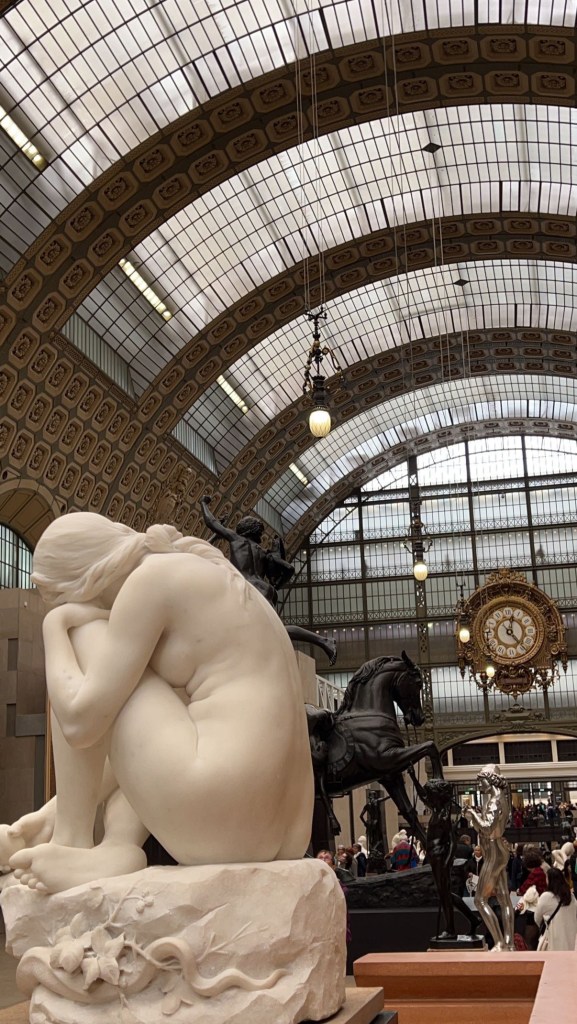
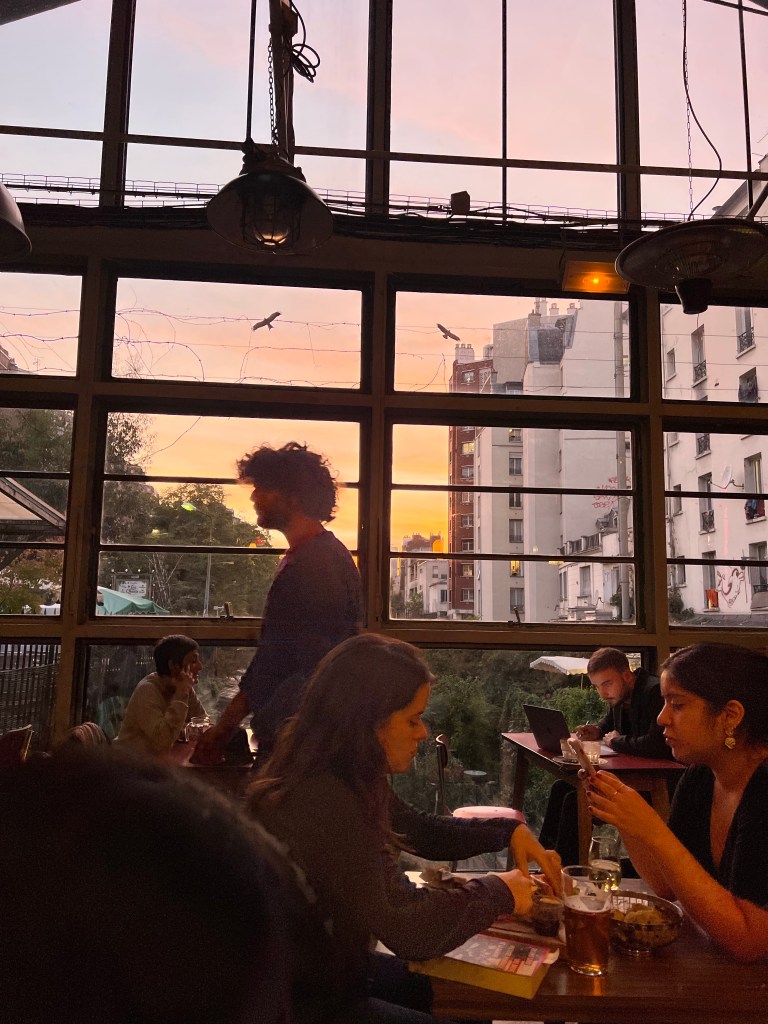
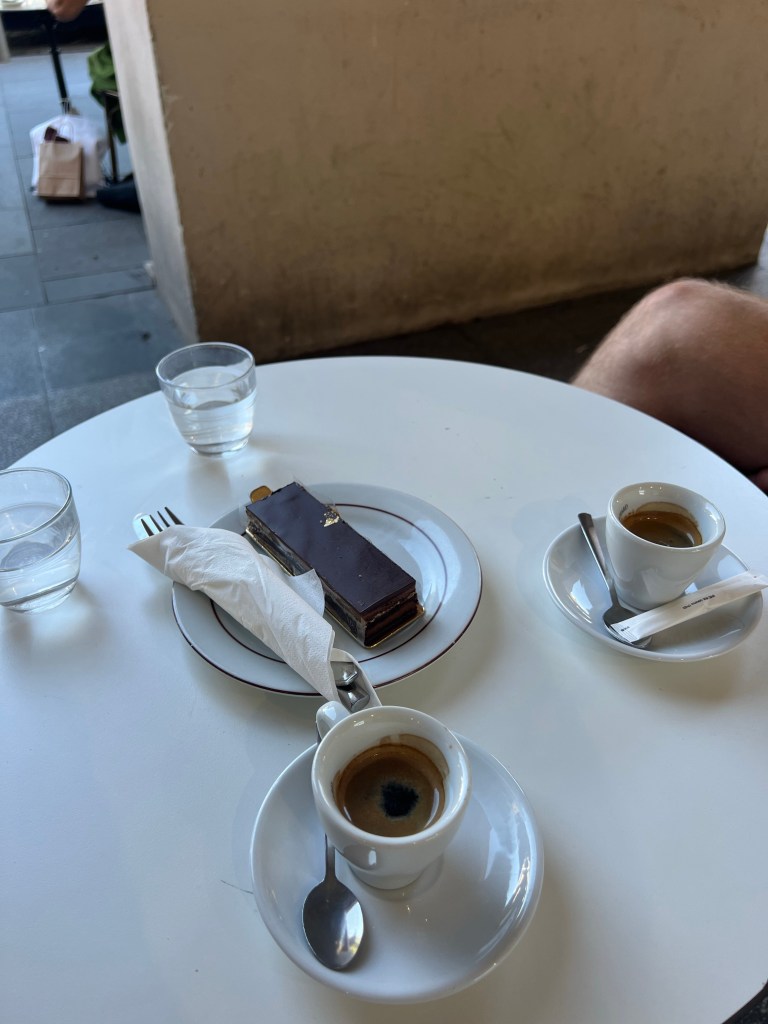
  • here it is, folks. the inevitable, predictable, and (what I’m hoping is) highly anticipated blog post reflecting on the entirety of my semester in paris. after four months of wining and dining accompanied by the finest companions and cheese the world has to offer, I can only hope that I’ve learned a little bit of something close to wisdom during my first journey abroad.

    four months ago, as I boarded what was about to be the longest 10 hours of my life trapped in a metal tin can catapulted through the sky across the atlantic ocean, I had some intensely ambivalent feelings about coming to paris. as I left my family, friends, classmates, coworkers,  roles, and responsibilities back home, I couldn’t help but feel a nagging sensation at the pit of my stomach. I wrote about this feeling some time ago, identifying it as a sort of homesickness i got from being detached from the communities that had grown to play such a fundamental part of my life. and while I do still think this is partially the case, I’ve come to realize that this feeling that stuck with me throughout all my museum visits between class, afternoons spent lounging in cafes, and whirlwind weekend trips hopping from country to country was actually quite a familiar one. in fact, it is one that I had grown accustomed to for much of my adult life. 

    the best word I can use to describe the feeling is gluttony. not a very pretty word, I know. but I think it gets the job done a little more accurately than simply “guilt” or “selfishness.” gluttonous is how I felt when I when I went on a vacation in hawaii for the first time with my best friends from school for spring break. gluttonous is how I felt when I decided to visit new york instead of going home to see my family for thanksgiving. gluttonous is how I felt when I left home for college in an entirely new state thousands of miles away from my mom and little sister. I’m being wasteful. I’m being greedy. I’m being gluttonous.

    it’s a feeling that sticks with me every time I make a major life decision that involves me spending time and resources on myself, taking away from my perceived attachments to my family or spending my time more productively. as if I’m abandoning them for my own selfish desires. it’s one that I suspect a lot of other oldest siblings, first-generation students, low-income children, and immigrant daughters, women, and women of color might be able to identify with.

    it’s as though, in choosing to enjoy luxuries that I know my mother and the rest of my family have never been able to experience, I am committing an affront. it’s an insult to them. if I’m being honest, there have been times where I have experienced it as an almost crippling guilt that makes it difficult to fully enjoy any new life experience. I can’t sip on mimosas, watch the waves crash along the shores of the mediterranean sea, and dig my feet into the warm sand without remembering that my mother’s feet are probably aching from another shift in heels running back and forth between the kitchen and the storefront.

    and what’s tricky about this feeling of gluttony is that it feels rational. while, of course, one can rationalize the benefits of moving away from home to go to college, one can also come to the rational conclusion that these indulgences are a waste of resources. and, well, that’s because that’s what they are—really. I didn’t need that new purse or that concert ticket or to go to school all the way in california. time spent away means time spent not helping out around the house or watching the younger cousins grow up. what have I done to deserve these pretty and shiny things I have in my life? the hard work of it all was being born—and even that wasn’t me.

    a certain level of self-awareness, of course, is healthy. it’s important to remember how lucky you are to be where you are. it’s when it gets to become a paralyzing self-awareness, however, that we approach a dangerous territory. it’s when you begin to punish yourself for these thoughts. in these cases, you become your own worst enemy, filling your head with thoughts of self-doubt and self-pity. you force yourself to live a life of piety and and create your own circumstances of suffering in order to justify any enjoyment of luxuries. saving money that doesn’t need to be saved. spending nights staying in and working instead of going out to the bars with friends. overworking and overextending yourself for the sake of pleasing others. these are all symptoms of this gluttony. people can tell you over and over again that you deserve a break or that you do so much. nevertheless, those words will land upon restless, deaf ears.

    this self-awareness and self-punishment becomes an even more frustrating experience when you come to find that men rarely impose these same disciplines on themselves. of course, you’ll find hard-working and ambitious men who are constantly busying themselves with projects and productivity. rarely, however, will you find a man who thinks that he does not deserve all of his life’s pleasures. nor will you find men who are crippled by attachments to their home. men are socialized from a young age to feel entitled to leisure and reward. women are taught to accept these things with gratitude and humility. to receive them with the entitlement of a man would be shameless gluttony.

    ironically enough, it was the recognition of this distinction that granted me a false sense of moral superiority to the men in my life. as if, because I was just as hard-working and just as ambitious as them, but I was also happened to be self-punishing, disciplined, and pious, I was somehow better than them. as women, we are taught that our time must be spent with purpose; that our time is not ours, but something that must contribute somehow to the bettering of society (whether that be by actually giving our time to others or by constantly working on self-improvement so that we can be better actors in society for the sake of others). after all, we only have so much time before our beauty fades and the one asset that once rendered us useful is no longer there to keep us relevant in the hearts of admirers. our time is constantly slipping away from us.

    coming into this semester, it was hard to justify in my head what exactly I did to deserve to spend four months in one of the most beautiful cities in the entire world. I found myself slipping into this habit of self-punishment, forcing myself to find projects to work on during my semester abroad in order to justify some greater purpose for my travel. I stayed committed to my leadership roles back home and had the enterprise to kickstart my senior research thesis. if I was going to be in paris, I was going to make my time worth it.

    equally stubborn and hard-headed in her ways, paris very quickly showed me that these frivolous undertakings were all for naught. with a refreshing rudeness, I came to learn an unflappable dogma: one does not bring their lifestyle to paris—one comes to paris to learn a new lifestyle. and the certain lifestyle, you see, is what is so interesting. the city has a certain way of sharing with people a finer way of living. a certain standard of luxury. for everyone, not just the rich and elite. and not only that, but paris has a particular ability of showing people that they deserve this way of living.

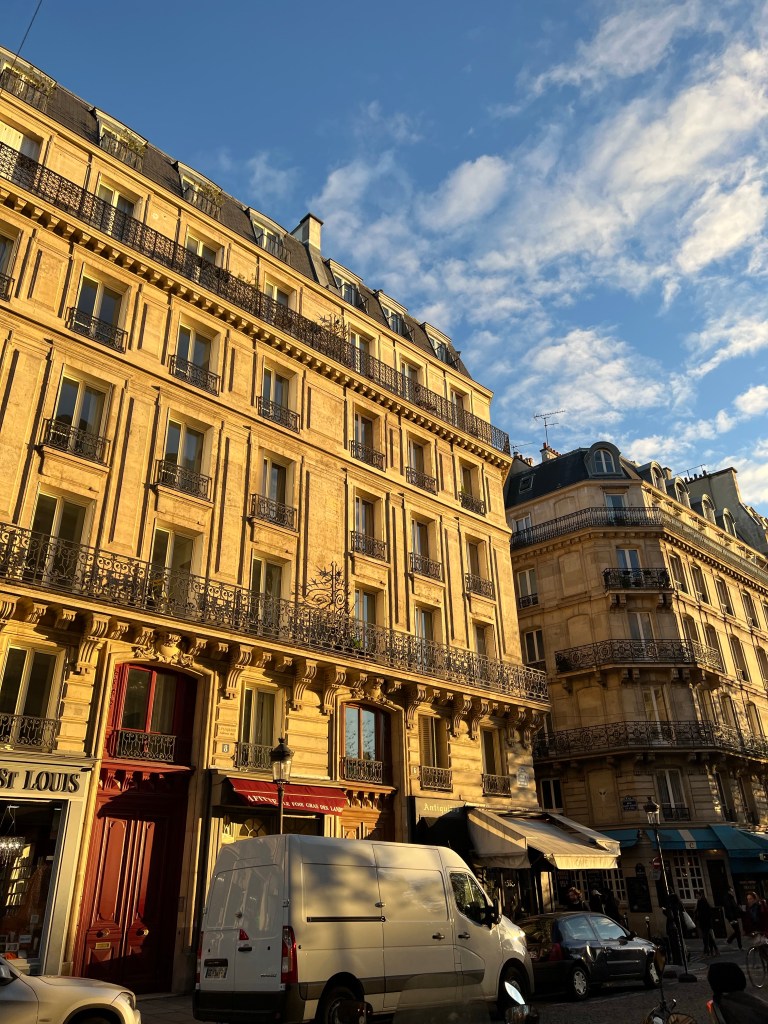
    one thing any wayward traveler who has the fortune of visiting paris will tell you is that the city is one marked by beauty. the cobblestone roads are paved with meticulous care, towering sandstone apartments impose a feeling of refinement, the metro stops are adorned with iron vines and glass illusions that make you feel as though you are about to enter a fantasy rollercoaster ride. youth have free access to all art museums and are given a stipend of 300 euros per year to spend on all things culture: concerts, exhibitions, comic books, novels, ballets, and more. 

    paris’ history has always been characterized by this emphasis on beauty; on a necessity for beauty and the arts. during the industrial revolution, when people moved to cities for the first time, urban designers understood the necessity of creating living conditions in these cities that were aesthetically pleasing. it was important that people lived their lives in environments that were conducive to human happiness and, therefore, productivity (this is a super interesting concept to think about if you’ve ever studied the research on environmental sociology that’s been conducted in the united states. researchers have described how poor, unkept conditions without greenery in urban cities that house lower-income families lead to more violence and criminal activity due to feelings of collective neglect and lack of agency).

    but what’s particularly interesting is that the city’s commitment to creating these coveted environments—a commitment to stimulating human happiness—is a sentiment apparent throughout the entirety of french history. I mean, this is a country that has undergone revolution after revolution. this is a country that has rewritten their constitution and restructured their government five times since the 18th century. time and time again, the people have asked for more from their government: more suffrage, more pay, more benefits, more welfare, more art, and more leisure. this is a country that is accustomed to asking for more for themselves (one of the most interesting things that one of my sociology professors in paris taught me is that one of the main conditions that differentiated the lore of the united states and that of france was in the availability of space. in america, whenever the settlers were upset with the living conditions imposed upon them by their government, they would simply move westward; westward expansion became an easier and more convenient solution than sticking around and trying to create change within an existing government. no need to fight for change when you have 800,000 square miles of potential where you can settle down and create your own government with your own rules. the french, however, were confined by their physical limitations. therefore, in a city of great philosophers and revolutionaries, protest became a part of the french dna. to stay and demand that your government does you better, rather than packing up your bags and moving onto the next settlement. this distinction actually serves as a fascinating explanation for the existence of such egregious inequality and poor conditions in our own american cities and states).

    I was coming from a country where—aside from the carrot-on-a-stick that is the fateful american dream—the national psyche can be generally summed up by “you get what you get and you don’t throw a fit.” in france, however, I felt the embrace of a country that actively encouraged you to enjoy life and revel in the beauty of it all. to love yourself enough to expect more for yourself.

    this concept is one that closely resembles that of a love ethic of care. it’s a philosophy that I first learned about in the writings of black womanist bell hooks in her book all about love: new visions. in it, she talks about how an ethic of care characterized by love—love for your neighbor, for your family, for your community—can be the impetus for radical action. when we love our neighbors, we expect better for them: oppressive conditions that limit our joy and growth suddenly become unacceptable when we realize that these policies affect our loved ones. when you advocate to defund the police, increase investments in welfare, or create systems of mutual aid, these intentions ought to be rooted in love for others. to love your neighbor is to want to create a better society for us all to live in.

    I bring this seemingly tangential point to our conversation because of one particular point bell hooks makes when she outlines this ethic of care: above all else, one must love herself. love for oneself—love for one’s curves, one’s flaws, one’s smile, one’s livelihood, one’s passions, one’s laugh—these are the things that help us to understand that we deserve more. that our beautiful selves ought to be entitled to better conditions. that we are entitled to enjoying the finer things in life.

    I know that I, along with many other fellow older sisters, activists, and young women, are guilty of living lifestyles statistically predicted to result in burnout. we grind twice as hard in order to compensate for the disadvantages that our demographics plague us with. we work extra shifts because we feel as though we don’t have the privilege of slacking. we deny ourselves the finer things in life for the sake of imposing a certain outwards display of suffering: fighting the good fight so that we can die as a beloved martyr for the cause.

    if there’s one thing to take away from what both bell hooks and my short rendezvous to paris had to teach me, however, is that a little gluttony every once in a while is good. in fact, it’s healthy. I should feel entitled to feeling gluttonous. if we want to be able to have the power to live in communion with others—if we want to be powerful advocates for our communities, if we want to be kind children to our families, if we want to be empathetic lovers to our partners—we need to let ourselves enjoy the finer things in life. it’s what makes us into fuller human beings. if they really love us, our neighbors should want us to experience the freedom of living like this (my mom used to always say to me, “I get full just watching you eat”). to love your own life is the best way to honor those who gave you the opportunity to live it.

    giving yourself the chance to revel in beauty, art, pleasure, pastries, and self love is vital to human existence. women of color shouldn’t have to spend every waking breath fighting and pushing against destructive systems that tell us to hate ourselves. we should want more for ourselves. more than just a second to catch our breaths after a long sprint—we should feel entitled to leisure. conjuring up your own self-imposed punishments (like feelings of guilt or an urgency to be productive) is the last thing that we should be focusing our energies on. we should be living lives with joy in abundance and excess.

    while this may be premature (and, admittedly, a bit dramatic), I think that my time abroad has been the beginning of a new era in my life. entering adulthood and beginning to contemplate the terrible, horrible, treacherous thing known as a post-grad life has been weighing heavy on my mind. I am grateful, then, for having had the opportunity to step away from the endearing mundanity of it my regular life for a sneak peek at what is to come. and this sneak peek has been fabulous. I’ve had the luxury of spending my afternoons wandering the city and slipping into little bookshops hidden away on street corners, perusing the same museums three times over just to look at that one monet painting one more time, and sharing sloppy drinks with my friends at our beloved jazz bar on rue de rivoli on wednesday nights. I’ve stopped punishing myself for things that deserve no punishment and started letting myself love myself in material, social, and emotional ways.

    these are the types of joys I want to be able to relish as I go forward in my life. there will always be more than enough time in the day to work. but I want a life where I am entitled to enjoying luxuries with ease and without hesitation. joy should be effortless and unadulterated. these moments of beauty are things that I shouldn’t have to work for. isha, one of my dear friends I made while abroad, put it poignantly when she described the pure delight of stumbling upon a brilliant view of the eiffel tower at the most unexpected moment. whether it be out the window of a warm coffee shop or a brief glimpse of the tower on the metro ride on the way to school, there was a certain magic about being able to see something so beautiful in the most spontaneous of moments without even trying. an unplanned moment of joy.

    I have come to learn that, if you let beauty into your life—if you break the cycle of discipline and guilt and shame—you open the door to the moments of serendipity that make life worth it. life shouldn’t have to be hard. and, in fact, it becomes really beautiful if you just let it. paris has shown me that I deserve these things; not because I worked hard for them, but because I exist. to love yourself is to allow these moments of abundance and excess into your life. to be thankful for the opportunity of leisure, to accept it greedily, and to revel in the gluttony.

  • as I lean back into my seat and gaze through the restaurant patio windows to fulfill my daily quota of people watching, I swirl in my hand what—to most americans who find themselves in europe—feels like a glass of liquid gold. a delicacy sought after far and wide in coffee shops, restaurants, and brasseries. a coveted elixir second only to that of the fountain of life: iced coffee. 

    and not just any iced coffee. oh no—this rarity is an expert concoction crafted with the perfect ratio of condensed milk and espresso coffee that has been mastered throughout the centuries. Generations of fine tuning just so that a wayward traveler such as myself could one day find herself lucky enough to be gifted by the taste of cà phê sữa đá. 

    as I savor every sip of this ambrosia and suck the drink dry until my straw starts to echo with gurgling noises from deep in my cup, I take a moment to absorb my surroundings. my seat sits low against a table covered in plastic, surely to provide impermeable protection from incidents of spilled broth and fish sauce. offerings to buddha are displayed on the bar’s countertop alongside menus offering bánh bột chiên, rau muống, and bún riêu. dim lights reflect upon the walls painted a spotted bright green—a stark contrast to the neutrals and muted shades characterizing the cultural landscape of french interior design. in a country that has yet to come to a satisfying reconciliation with its violent colonial history, this pho restaurant stands proudly on Avenue d’Ivry with a name that practically sneers at the faces of parisians: Pho Saigon.

    I’m having lunch at this restaurant for what must be at least the twelfth time in my twelve weeks studying abroad in paris. my first time visiting, I had only been living in france for about three weeks. already exhausted by the stunted sentences and mutilated pronunciations I could barely muster up in the french language, I sought out the relief of a more familiar tongue. I made my way to the thirteenth arrondisement—paris’ very own “chinatown”—and warily walked into the very first restaurant I saw that suggested the presence of some vietnamese people like my own (you see, I had already been traumatized once before when I ate at a pho restaurant in a more touristy part of town, shocked to find that the workers were not vietnamese after all when they looked at me with bewilderment after I asked, “cho em thêm giá?”).

    the moment I walked through those doors, the waiter looked at me with a certain look of recognition. it’s a look that’s become quite familiar to me here in paris. a look shared with anyone displaying asian phenotypes on the metro or on the street—asking with our eyes, “are you like me?” we silently sized each other up, as if by assessing the jacket on one’s shoulders or the jewelry sitting around one’s neck could tell you if this was a friend or a foe. I broke first: by offering a quick bow and greeting the older man with an enthusiastic “chào chú,” a flood of tension was released. I was one of them. a world of understanding burst open. all the formalities and charades were dropped. although I was not from their country, nor was I from their home, I was one of them. I was one of their vietnamese daughters. from that point on, I was graciously adopted into the family of Pho Saigon. 

    my decision to study in paris was, admittedly, a careless one. my first choice of studying in vietnam had been cancelled due to covid and I had listed paris as my second choice on a whim simply because I had taken a few years of french in high school (if you’re wondering why I took it, I could lie to you and tell you it was because I wanted to learn about vietnam’s historical colonial roots. in reality, it was because I was a pretentious teenager who didn’t want to take spanish because all the other kids were taking it). to be completely honest, I wasn’t even thinking about studying in a country where I would be able to find other vietnamese people or slurp up a bowl of steaming pho. I wasn’t looking for any familiarity at all. but when I told everyone at the vietnamese american service center I worked at over the summer that I was going to study in paris, their eyes lit with excitement for me. “go to the thirteenth district!” they instructed with the fervor of a mother telling her child to put on a jacket before going out into the cold. “you will find vietnamese people there.” and indeed they were correct. at the thirteenth, I was greeted with a menagerie of grocery stores, restaurants, travel agencies, clothing stores, and nail salons—all similar to the ones I knew at home, but just a little more french.

    consciously or unconsciously, it seems that my life has always gravitated towards the pull of vietnamese communities. despite not being able to identify or sort through the memories of the one time I went to visit vietnam when i was seven, my childhood was permeated by the day-old odors of pho that stubbornly refused to leave my jackets, the flurry of the crowd fighting over fresh produce under fluorescent lights at ranch 99, and the droning hymns of vietnamese masses that lulled me to sleep on sunday afternoons. my aunties at the nail salon by my university in california have seen all the broken nails, chipped acrylics, and polished manicures that characterized my college career. whether it be in seattle, washington or san jose, california, deep in des moines, iowa or across the sea to paris, france—I always found myself surrounded by people who also knew the smell of fish sauce staining your skin with familiarity.

    it wasn’t until I came to europe that I realized I had practically been spoiled by this proximity to culture my whole life. indulged to the point of taking it for granted. france, you see, is quite similar and, yet, quite different from the united states. the two democratic nations founded on revolution and freedom are like two fraternal twins (and I think studying one reveals a lot about the other). and on the matter of race, these differences run even deeper. paris, in particular, is an entirely multicultural city. the streets are outlined with kebab stands, the district of montmartre has wig stores than downtown san jose, and gourmet ramen is served on nearly every block. the city teems with diversity, religion, culture, and race. truly a product of the country’s colonial history. and yet, here in paris, “race” is a bad word. people cringe when I tell them I am an ethnic studies major. according to the french republic, no one here is french-arab, french-algerian, french-morroccan, or french-vietnamese. we are all frenchmen.

    in a way, the french make explicit what the united states makes implicit. we tell our folks that multiculturalism is good in our country’s melting pot of identities—all the while waging a war on black communities on the basis of drugs and building walls to keep out mexican immigrants on the basis of socioeconomic concerns. at least the french tell us to our faces that they don’t like colored people. they discourage the creation of communities, citing fears of tribalism and the fractioning of the republic. places like the thirteenth’s ‘chinatown,’ technically, should not even exist. places like the thirteenth’s ‘chinatown,’ technically, are a threat to the republic.

    and you can see it when you walk down the streets of point d’italie. in san jose’s little saigon or orange county’s phước lộc thọ, one can see vietnamese street signs, asian art, and historical monuments clearly delineating this territory as the vietnamese part of town. chinatown is lined with red paper lanterns and giant dragon gates in san francisco. streets are named after revolutionary figures in latino history at the mexican heritage plaza of san jose. these physical signs of legitimization and territory are all but absent from paris’ thirteenth. the buildings, street lights, and sandstone walls match the same 20th century aesthetic as the rest of paris, making the neon signs brandishing franco-vietnamese storefronts stick out even more sorely. they are not supposed to be here. they were supposed to assimilate. they were not supposed to create a space for themselves. with this context, the chinese, vietnamese, cambodian, and thai residents that live here have engaged in a process of place-making that is, indeed, radically countercultural.

    I think this counterculturalism is inherent to our natural states it’s a survival method. a coping mechanism. we’re drawn to one another because we need one another to survive. it’s an undeniable, almost primal pull. we want to create spaces and be in communion with one another. I’ve been doing it my entire life and I didn’t even realize it. 

    don’t mistake this for me trying to claim that there’s some mystical otherworldly connection that vietnamese people have for one another. no—much more mundane. I think, rather, that this the nature of diaspora. in this entirely new and globalized world of transportation, immigration, communication, and deportation, we have more people living away from their lands of origin than ever before in history. up until the last two centuries, it was assumed that you would be living on the same land that your ancestors lived on for the entirety of human history. we had familial ties and community relationships that spanned over generations. and suddenly, out of nowhere, a certain generation decided that they wanted a new adventure and permanently changed the course of history for the rest of their family line.

    our histories were written before us. so many of us today were born in countries we call our home, and yet, we still hold a certain attachment to a place that we may not even personally know. we are living in an era of peruvian-americans, korean-russians, filipino-italians, african-americans, and french-syrians. we are a generation of hyphens. while I can only speak for myself, I don’t think this attachment is necessarily to the explicit country your parents or grandparents or great (great) grandparents came from. rather, the attachment is tied to a certain feeling. a certain feeling of identity and familiarity and culture and love.

    in vietnamese, there is no real way to say “I,” “me,” or “you.” Rather, we refer to ourselves and one another using the words for “aunt,” “uncle,” “grandma,” “uncle of my father,” “cousin,” or “sister.” every single interaction is characterized by a certain familial connection. a certain feeling. there is no way to see a stranger as simply just a stranger. and I think that, because of this, I have been able to find love in every pocket of vietnamese people that I have had the fortune of stumbling upon. diaspora is a separated family waiting to be reunited. it is no wonder we experience joy when we find one another again. no wonder we watch some tv shows simply because “did you know the main actress is argentine, too?” no wonder that we wave mexican flags instead of warriors flags at juan toscano-anderson. no wonder that the moroccan team held the palestinian flag with pride after their historic win in the world cup. we have been able to create families for ourselves in every pocket of the world, thanks to diaspora.

    I am more than grateful to the nail technicians, restaurant staff, professeurs, coworkers, and strangers who have welcomed me into their lives as another vietnamese daughter. I am even more grateful to the french-vietnamese who have made this cold and foreign country much easier to warm up to. whether it be helping me with my thesis research by giving up an hour of their time to let me prod them with interview questions or letting me in on all of the gossip while I pampering my nails, thank you for letting me into your lives. thank you for the iced coffee.

    here are some spots that I highly recommend to any other wayward travelers who find themselves in paris
    Pho Saigon
    104 Avenue d’Ivry, 75013 Paris, France
    Eva Beauté
    233 Rue d’Alésia, 75014 Paris, France
    Phở Bánh Cuốn 14
    129 Avenue de Choisy, 75013 Paris, France
    Pho Bom
    71 Avenue de Choisy, 75013 Paris

    enjoyed your time? how about a like and subscribe 😉

  • last wednesday marked one month since I packed my bags and took off on a 12 hour plane ride for my semester abroad in paris. at this point, I’ve frequented the sufficient amount of art museums in order to convincingly feign a certain pretentiousness in my conversations about art nouveau and impressionism, I’ve consumed enough pastries and baguettes to appall any american diet’s recommended serving of carbs, and I’ve hit an 16,800 step-count monthly average on my health app walking to and from the metro each day.

    my first time abroad has been an absolute dream and I cannot be more grateful. my only regret, at this point, is not having carved enough time to continue any personal writing (darned this cursed, incessant, youthful condition that is constantly keeping me more occupied than I need to be: fomo). I’ve learned so much that I want to share about french society, culture, history, coloniality, etiquette, race, fashion, coffee, language, architecture, and the list goes on, of course. most of it, I’ve loved. much of it, I’ve adored. and some of it, admittedly, has made me miss home quite a bit.

    after spending quite a bit of time reflecting on it, I think I’ve pinpointed the source of this unfamiliar feeling of homesickness: I miss my communities.

    I decided to study abroad way back at the beginning of my junior year. for those of you who know me personally, you’ll know that this past year was one that pushed me close to my limits. I was student body vice president of a campus undergoing multiple and concurrent crises relating to sexual violence, racial profiling, covid safety, and mental health; I was getting out of a year-long relationship that left me piecing together the scraps of a person I didn’t know I had given up; I was a student coming back from two years of a pandemic and online learning unprepared for the stamina and vigor that was required for in-person classes. I know that this past year took a lot from all of us.

    so when the opportunity arose to flee the country and, with it, all of my commitments, I jumped headfirst. I signed myself away to a semester abroad, knowing fully well that I would commence my senior year relinquishing all of the positions I held in the countless committees, councils, boards, branches, and taskforces that I prided myself on at the end of my email signature. this, I thought, would be my chance to finally prioritize myself.

    and prioritizing yourself halfway across the globe sipping on an espresso at a sun-lit cafe enjoying the fall breeze with a view of the eiffel tower isn’t a bad place to do it. after all, what is consuming leisure and art if not allowing yourself to enjoy the fullness of your individual emotional humanity? (more on this in a later blog post)

    paris, however, is not exactly a place where this experience of life and leisure and art happens in communion. you may have heard the stereotype about french people being rude. well, I’m happy to attest that this isn’t completely true. but it’s also not completely false; I have to admit, it’s been difficult to build relationships or join communities with the other french people here. and much of this has to do with a certain (perceived?) pressure to be parisian.

    in fact, it’s a place where, politically, the formation of communities is actually discouraged. in france, one is a frenchman first, and a whatever-else second. this applies to race, religion, ethnicity, origin, orientation, and any other distinguishing factor that we americans love to pride ourselves on in our games of identity-politics. this form of secularism—known as laïcité—and france’s colorblind policy actually forbids the government from conducting any census that marks race as an identifier. in paris, ‘identity’ is a bad word. (there are a variety of reasons for this, including the preservation of history and culture, a legacy of collective action as a people united against monarchy during the revolution, france’s national political response to the november 2015 terrorist attack in paris, and an attempted erasure of france’s colonial violence in algeria. more on this also in a later blog post, I promise.)

    as you could probably predict, coming to learn these realities (as an ethnic studies and sociology major, nonetheless) left me in utter shock. I mean, all my life in the united states, I had been made to be hyper-aware of the factors that differentiated me from my peers in the predominantly white institutions in which I came of age. at the same time, I have been given the opportunity to create loving bonds with the people who shared lived experiences similar to my own.

    I have always existed in community. I can identify patterns throughout my life’s history of times where I have unconsciously gravitated to spaces where I could be in communion with others. my life consists of both de facto and de jure fictive kinships. my unversity’s vietnamese student association gave me a beautiful line in which I can claim a big chị and a little em to celebrate my vietnamese heritage. my childhood was characterized by rowdy visits to my cousins’ houses so my mom could gossip with all the other aunts while the all the children ran off to play. student government offered me a network of other student leaders and activists who passionately sought progress in the same inititatives that invigorated me. the vietnamese american service center became a home away from home where I could sing karaoke with the seniors who reminded me of my grandparents. my first-generation program blessed me with an the introduction to the most incredible group of inspiring women who I am proud to call my beloved friends.

    these groups have played foundational roles in allowing me to find comfort, rest easy, and develop my own understanding of self. communities where young people are able to find affinity and shared identity are vital to healthy development (there’s data to back this up). these are the spaces where young girls of color are able to build confidence and imagine greater things for themselves. it was these people who actually encouraged me to take time off to go abroad and take care of myself in the first place.

    I’ll be honest, I am missing community quite a bit here.

    when I decided I wanted to go abroad, I thought it was because I needed to cut myself off from all ties to these communities. the only way for me to find internal satisfaction was if I eliminated all my obligations and responsibilities to external forces. but, if I’m being truthful, there was a certain element of impatience with myself that also contributed to this decision: it was almost as if, because I was so tied to all of these institutions and organizations, I wanted to see if I could suvive without them. I wanted to test myself and see if I could truly be the strong, independent figure that I sold myself as without the crutch of a community behind me.

    I’m coming to enjoy my own company a lot more here in paris. and I’m coming to discover some of my own versions of community here, too (the girls in my study abroad program are lovely and I’m conducting interviews for my thesis on the vietnamese diaspora community here in paris).

    but I think that this time away has really made me realize how significant these families that I have created back home really are to me as a person. I don’t think we’re meant to be alone; our obligations to one another are an essential and rewarding aspect of the mutually supportive relationships that we need as human beings. it takes a village to make one person. sometimes, loving yourself can mean allowing yourself to be loved by the people around you.

    I am the last person who would have predicted this level of enthusiastic patriotism coming from myself. what can I say? distance makes the heart grow fonder. please don’t get me wrong—I am having an incredible time traveling europe. I have had the privilege of having my eyes opened to more cultures, ideas, and people than I ever imagined. but I did want to take a moment to write this piece. I’ve been sitting on a ridiculous amount of drafts that I have been hesitant to publish. partly because I have not had the discipline to sit down and do the work of research, revision, etc. partly because I knew that the pieces would feel dishonest if I glossed over this aspect of my study abroad experience. I hope that now I can share more of my honest reflections with you.

    I will write home more often, I promise. I want to hear from you all more often. text me if anything comes up. tell the wife and kids I say hello. all my love.